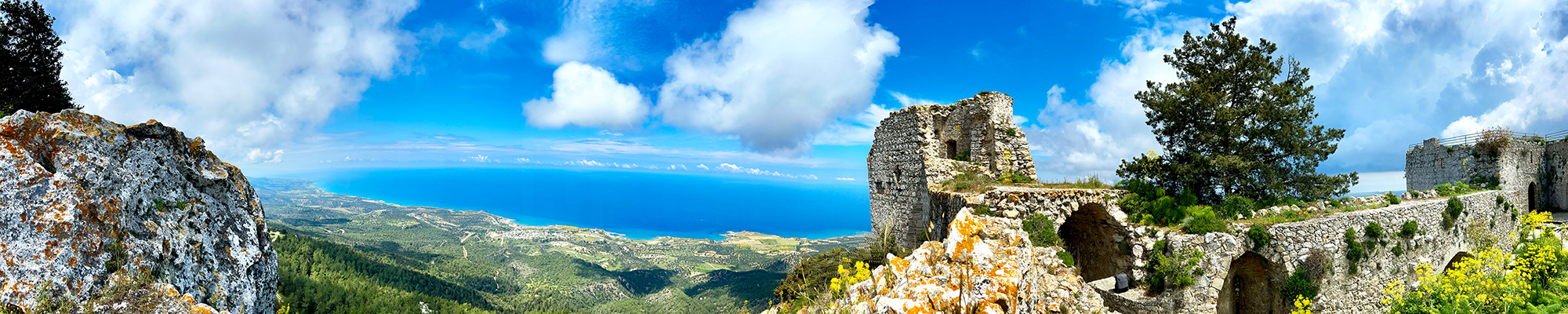
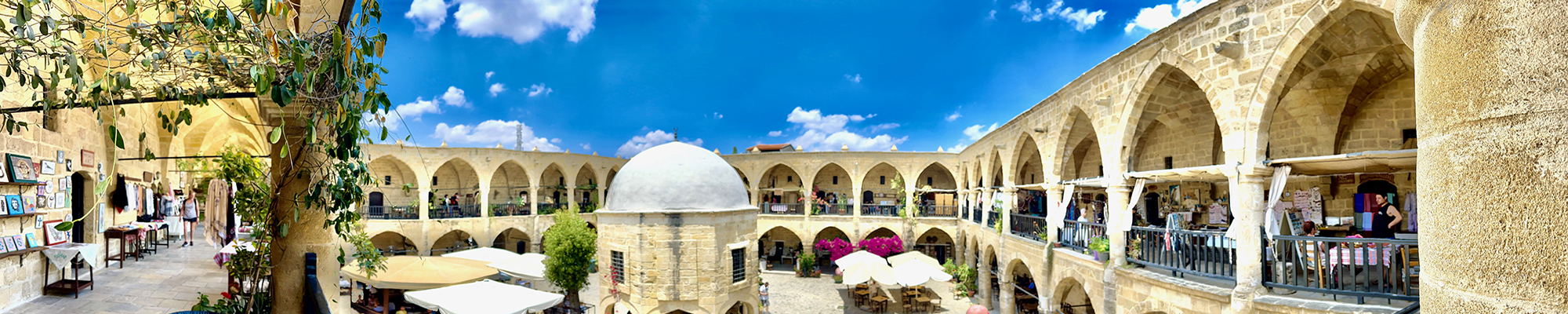
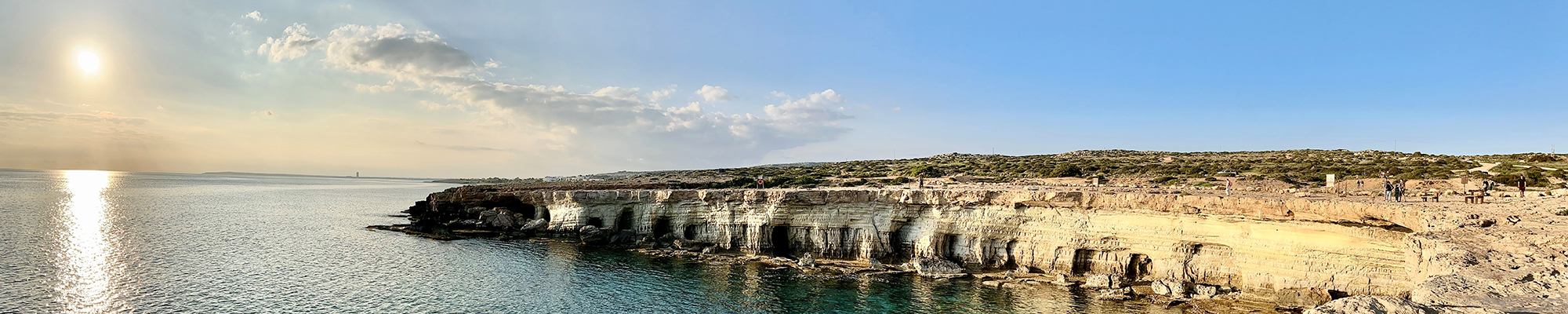
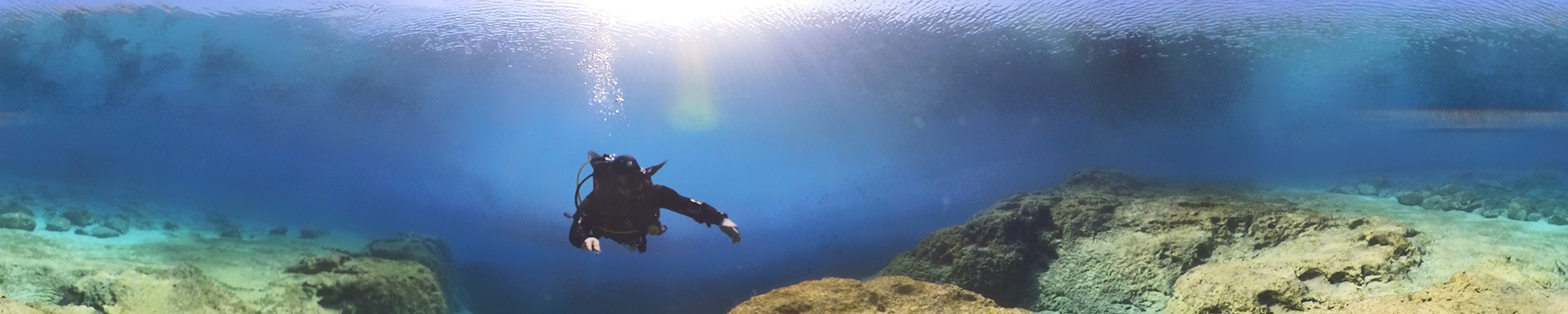
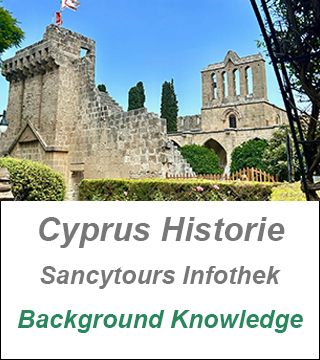
 Historical Places of Cyprus are everywhere — carved into hills, hidden in valleys, standing above the sea and resting beneath modern streets. In this Infothek section dedicated to Historical Places of Cyprus, we share deeper background knowledge about the island’s most important historic locations. Here you’ll learn what these sites truly represent: not only what you can see, but why they are meaningful, how they connect through time, and what stories still echo in their stones.
Cyprus has always been a crossroads of civilizations. That is why the Historical Places of Cyprus include everything from ancient kingdoms and sacred sanctuaries to crusader castles, Venetian fortifications and Ottoman landmarks. Few places in the Mediterranean hold so many layers of history within such a small area — and exploring the Historical Places of Cyprus is like walking through different worlds of time.
Explore Historical Places of Cyprus with SancyTours
Many Historical Places of Cyprus can be explored with SancyTours on private guided tours — flexible, personal and tailored to your interests. Whether you are fascinated by antiquity, medieval history, crusader castles or sacred sites, we help you experience Cyprus with context and atmosphere — not as a rushed checklist.
For inspiration, explore our gallery and see real impressions from tours to Historical Places of Cyprus.






Historical Places of Cyprus – A Timeline in Stone
The Historical Places of Cyprus reflect more than one era. They show the full spectrum of the island’s past: temples from antiquity, theatres that once held crowds, churches painted with sacred frescoes, towers watching coastlines, and fortresses built to guard trade routes and power.
In our Infothek articles about Historical Places of Cyprus, you will discover:
- ancient cities and archaeological treasures
- sacred temples and early religious sites
- medieval castles and mountain fortresses
- monasteries, chapels and Byzantine heritage
- historic old towns, walls and coastal defences
Historical Places of Cyprus – Beyond the Guidebooks
Many travellers only see the “classic highlights” — but the most unforgettable Historical Places of Cyprus are often the quieter ones. Hidden ruins, forgotten churches, remote watchtowers or little-known heritage corners can be just as powerful as famous sites, and often far more atmospheric.
That is why this Infothek category focuses on both: iconic landmarks and lesser-known Historical Places of Cyprus. We want you to understand the island deeper and discover places that feel authentic rather than crowded.
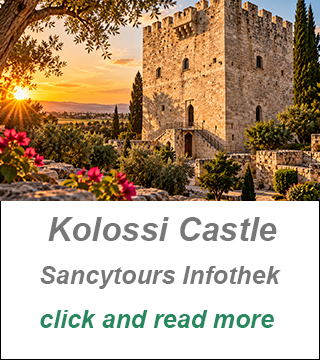
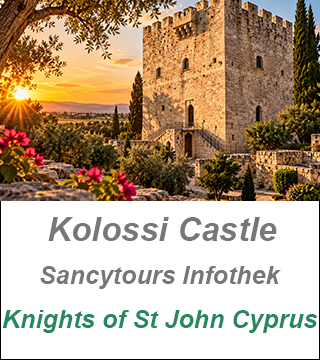 Kolossi Castle Cyprus is one of the island’s most important medieval monuments. The well-preserved fortress stands beside Kolossi village, around 14 kilometres west of Limassol.
The Crusades, the Knights Hospitaller and the Knights Templar shaped the history of the castle. However, Kolossi was more than a military stronghold. It also became the administrative centre of a wealthy estate. Local workers grew and processed sugar cane, grapes and other agricultural products across the surrounding estate.
The present tower dates from 1454. Its massive stone walls, historic rooms, coats of arms and elevated rooftop still reveal the former importance of this remarkable site.
more »
 The Cyprus Railway Museum in Evrychou preserves a fascinating chapter of the island‘s transport history.
Today, Cyprus has no operating national railway network. However, this was once very different. For almost half a century, trains carried passengers, goods and materials across parts of the island.
One of the most interesting reminders of this era can be found in the Solea Valley. Here, the former railway station of Evrychou has become a museum dedicated to Cyprus’ forgotten railway.
more »
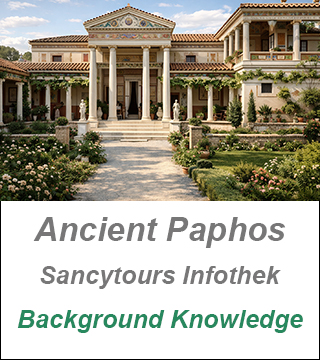 The Paphos Archaeological Sites in the region of Paphos in Cyprus offers one of the most complete historical landscapes in the Mediterranean.
The Paphos Archaeological Sites are not limited to a single monument or ruin but form a connected historical area that reflects more than two thousand years of continuous development.
more »
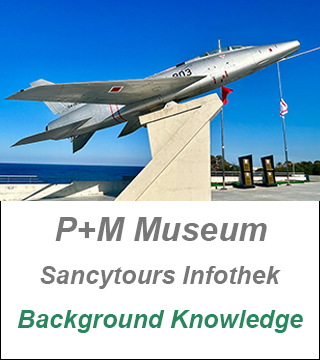 Just west of Kyrenia, along the northern coastline of Cyprus, lies a place where history is not explained from a distance but physically present.
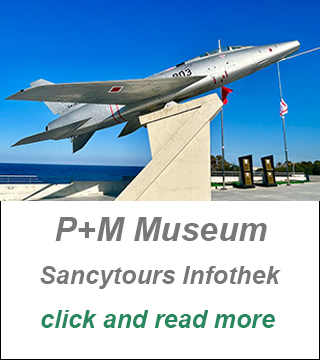
The Peace and Freedom Museum Kyrenia is located near Alsancak, close to the area where Turkish forces came ashore in July 1974.
Unlike classic indoor museums, this site feels open, exposed and direct — shaped by the landscape, the sea and the objects themselves.
more »
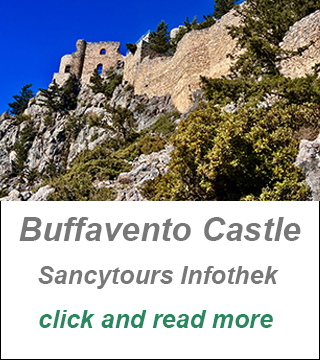
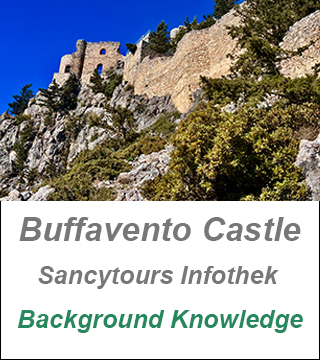 Buffavento Castle is one of the most dramatic and remote medieval fortresses on Cyprus. Perched high on a steep peak of the Kyrenia mountain range, Buffavento Castle dominates the landscape with a sense of isolation, strength and silence. Its name, often translated as “Castle of the Winds,” perfectly reflects the exposed and commanding position of this remarkable site.
Unlike coastal strongholds, Buffavento Castle was never designed to impress through size alone. Its true power lay in its altitude, inaccessibility and strategic visibility across large parts of the island.
more »
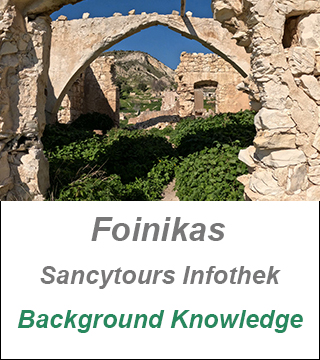 Foinikas Cyprus is an abandoned medieval village nestled in the Paphos district, steeped in history and mystery.
Once a stronghold of the Knights Templar, this village offers a unique glimpse into the island’s rich past.
In this Sanyctours Infothek entry, we delve into the origins, architectural remnants, and historical significance of Foinikas Cyprus, providing a comprehensive understanding of its enduring legacy.
more »
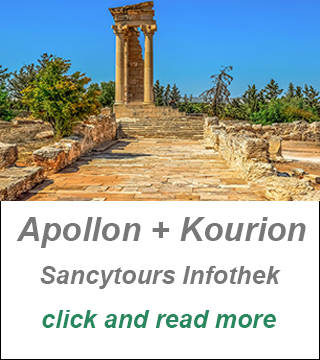
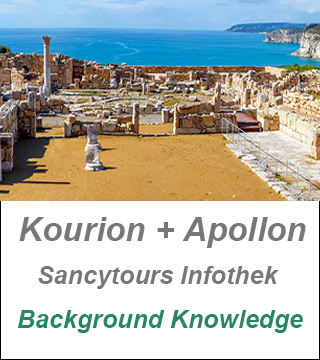 Apollon Hylates Cyprus and Kourion Cyprus are among the island’s most compelling archaeological sites, showcasing the religious devotion, urban sophistication, and architectural legacy of ancient Cypriot civilizations. Set amid the stunning landscapes near the modern city of Limassol, these two sites reveal the cultural and spiritual heart of Cyprus from the Archaic period through Roman times.
In this Sanyctours Infothek entry, we explore the history, function, and fate of both the sanctuary of Apollon Hylates and the city of Kourion—two places where myth meets reality and ancient stone whispers the stories of empires, faith, and resilience.
more »
Famagusta Cyprus stands as a testament to the island’s rich and tumultuous history, with its impressive city walls and formidable fortresses bearing witness to centuries of conflict and cultural exchange.
From the medieval grandeur of the Lusignan period to the strategic enhancements under Venetian rule, and the dramatic events of the Ottoman conquest, Famagusta offers a captivating journey through time. In this Sanyctours Infothek entry, we delve into the origins, architectural marvels, and historical significance of Famagusta, providing a comprehensive understanding of its enduring legacy.
more »
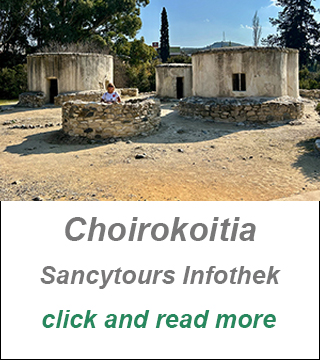
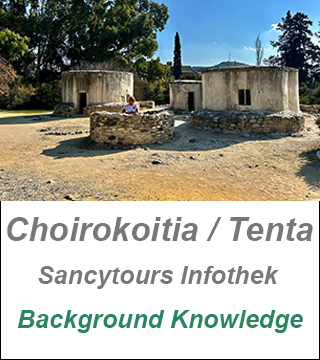 Choirokoitia Cyprus is one of the most important archaeological sites on the island and offers a rare glimpse into Cyprus’ earliest human history. Located in the foothills above the Maroni River valley, Choirokoitia Cyprus represents one of the best-preserved Neolithic settlements in the eastern Mediterranean.
For visitors interested in archaeology, early civilisation and the origins of settled life, Choirokoitia Cyprus is a place of exceptional significance.
more »
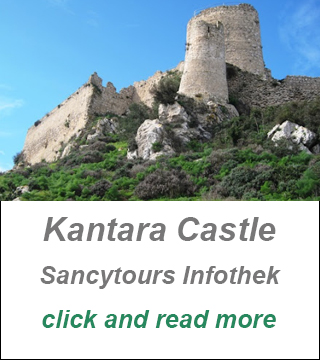
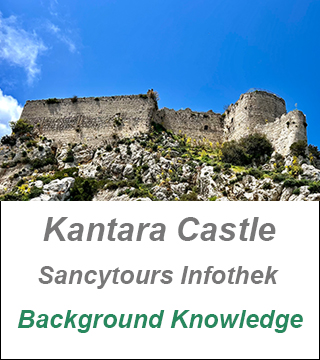 Kantara Castle is one of the most dramatic and strategically important medieval fortresses on Cyprus.
Perched high on the eastern edge of the Kyrenia mountain range, Kantara Castle commands breathtaking views over both the northern coastline and the long stretch of the Karpaz Peninsula.
For visitors interested in medieval history, mountain landscapes and panoramic viewpoints, Kantara Castle offers an experience that combines architecture, nature and strategic significance in a truly unique way.
more »
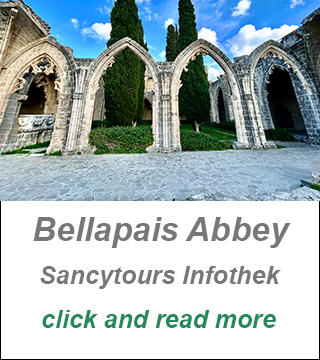
Bellapais Abbey Cyprus, located in the village of Bellapais near Kyrenia, Cyprus, is a magnificent example of Gothic architecture and a site rich in history. Known for its serene beauty and stunning views of the surrounding landscape, Bellapais Monastery is a must-visit destination for history enthusiasts, architecture lovers, and those seeking tranquility.
Bellapais Monastery stands as a testament to the rich history and cultural heritage of Cyprus. Its Gothic architecture, historical significance, and serene beauty make it a captivating destination for visitors. Whether you’re interested in exploring its architectural marvels, attending a cultural event, or simply enjoying the tranquil surroundings, Bellapais Monastery offers a unique and enriching experience.
more »
Salamis Cyprus stands as a monumental testament to the island’s rich tapestry of civilizations, from its mythical founding by Teucer to its prominence under Roman rule.
Located near modern-day Famagusta, this ancient city offers a captivating journey through time, revealing layers of history etched into its ruins.
In this Sanyctours Infothek entry, we delve into the origins of Salamis Cyprus, architectural marvels, and historical significance of Salamis, providing a comprehensive understanding of its enduring legacy.
more »
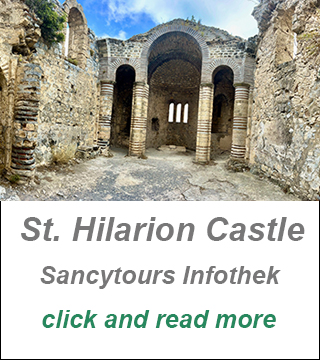
St. Hilarion Castle Cyprus stands at 732m and is very well preserved. Walls and towers seem to grow randomly out of the rock, giving the castle a fairytale appearance. It is even said that Walt Disney used it as a model for the castle in Snow White and the Seven Dwarfs.
The castle is named after a hermit who fled Palestine in the 7th century to live up here and rid the mountain of pagan demons. The story goes that the hermit was deaf and so easily resisted the seductive calls of the demons that haunted the mountain. Eventually the demons gave in and left Hilarion and the mountain alone.
A Byzantine monastery and later a fortress were built around his tomb.
more »
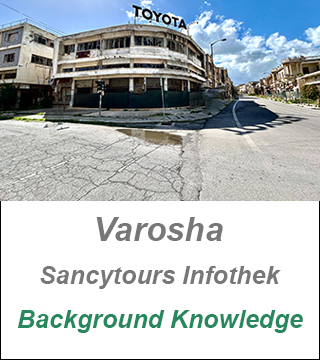
Varosha Ghost Town is one of the most striking and emotional places in Cyprus — a district where modern history can be seen rather than read about. Situated along the coast of Famagusta, Varosha Ghost Town once represented luxury, tourism prosperity, and the bright future of Cyprus as a Mediterranean holiday destination.
During the 1950s, 60s and early 70s, Varosha Ghost Town developed rapidly into the island’s most fashionable seaside resort.
more »