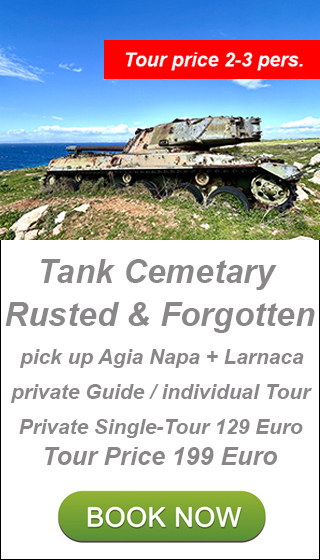
 There is a place where steel giants sleep beneath the open sky, where rusting armor stands frozen in time, and where silence has replaced the thunder of engines. You can join with us a Tank Cemetery Lost Places Tour. This forgotten military landscape, simply known as the Tank Cemetery, is one of the most atmospheric Lost Places in Cyprus.
Scattered across rugged ground and shaped by decades of sun, wind and salt, the abandoned tanks and armored vehicles create a haunting tableau of history reclaimed by nature. Their shattered hulls, twisted metal and fading camouflage tell stories without words — stories of another era, a different world, a past that lingers quietly in the air.
Here, among the skeletal remains of machines once built for power, you walk through a surreal open-air museum of decay and memory. It is a place for explorers, photographers, dreamers and those who seek meaning in forgotten things.
more »
 Nestled in the foothills of the Troodos Mountains, Lefkara feels like a living postcard of traditional Cyprus. On this Private Lefkara Cyprus Tour, you’ll discover a village where every stone and every smile tells a story — a place where craftsmanship, culture, and nature blend in perfect harmony.
Lefkara Cyprus is world-famous for its handmade lace and delicate silverwork, but there’s much more to uncover: olive groves older than history itself, mountain air scented with thyme, and a rhythm of life that still follows the seasons.
You’ll taste pure, organic olive oil, stroll through narrow cobblestone lanes, and meet the village artisans who keep centuries-old traditions alive. From ancient trees to gentle donkeys, every encounter connects you with the authentic heart of Cyprus – personal, genuine, and unforgettable.
more »
 Kyrenia Cyprus – Castles, Harbour & Timeless Mediterranean Heritage
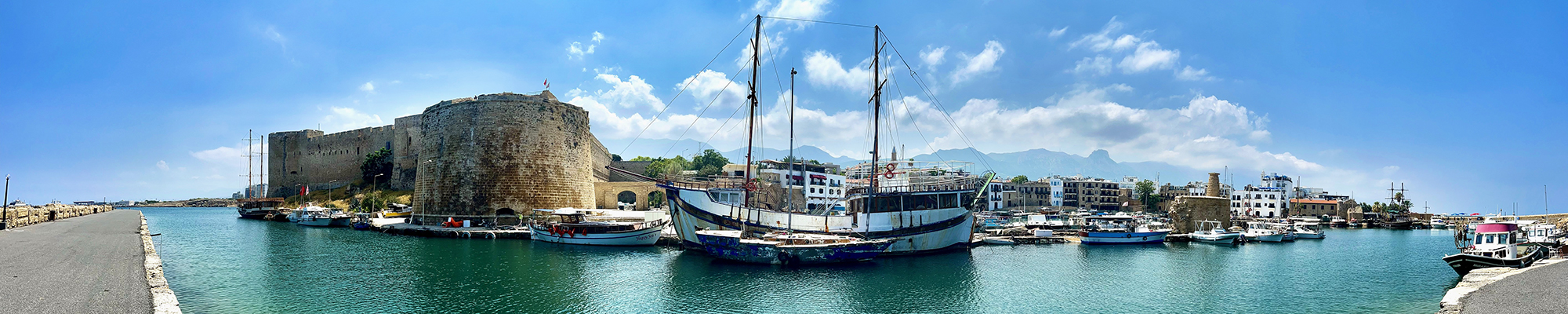
Among Cyprus’s most iconic coastal towns, Kyrenia Cyprus captivates visitors with its unique blend of history, architecture and Mediterranean charm. Set along the northern coastline, Kyrenia Cyprus combines a picturesque harbour with dramatic mountain backdrops, making it one of the most atmospheric destinations on the island.
For travellers seeking more than beaches, Kyrenia Cyprus reveals a layered past shaped by ancient settlers, medieval rulers and maritime trade. This SancyTours Infothek entry explores the deeper historical and cultural significance of Kyrenia Cyprus, far beyond what travel brochures usually show.
more »
 Salamis Cyprus stands as a monumental testament to the island’s rich tapestry of civilizations, from its mythical founding by Teucer to its prominence under Roman rule.
Located near modern-day Famagusta, this ancient city offers a captivating journey through time, revealing layers of history etched into its ruins.
In this Sanyctours Infothek entry, we delve into the origins of Salamis Cyprus, architectural marvels, and historical significance of Salamis, providing a comprehensive understanding of its enduring legacy.
more »
 Nicosia Cyprus stands as a city of profound historical depth and cultural richness.
As the world’s last divided capital, it offers a unique tapestry of experiences, blending ancient landmarks with contemporary life.
For travelers seeking to understand the island beyond the beaches, Nicosia reveals Cyprus at its most complex and compelling. In this Sanyctours Infothek entry, we delve into the city’s layered identity—its monuments, markets, and moments that continue to shape both past and future.
more »
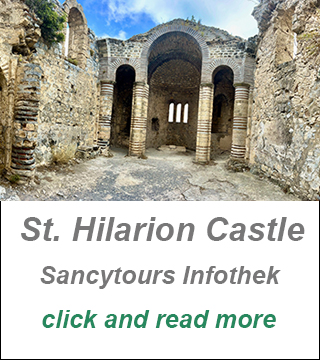 St. Hilarion Castle Cyprus stands at 732m and is very well preserved. Walls and towers seem to grow randomly out of the rock, giving the castle a fairytale appearance. It is even said that Walt Disney used it as a model for the castle in Snow White and the Seven Dwarfs.
The castle is named after a hermit who fled Palestine in the 7th century to live up here and rid the mountain of pagan demons. The story goes that the hermit was deaf and so easily resisted the seductive calls of the demons that haunted the mountain. Eventually the demons gave in and left Hilarion and the mountain alone. A Byzantine monastery and later a fortress were built around his tomb.
more »