


Larnaca Cyprus – History, Culture & Coastal Life
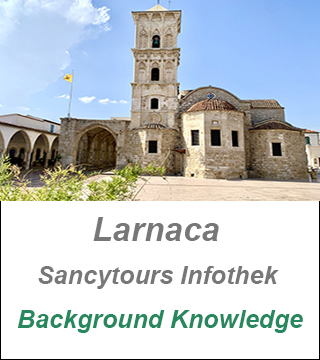 Larnaca Cyprus is a city with a long and eventful history, where ancient heritage and modern life blend in a remarkably authentic way. Located on the south coast of the island, Larnaca Cyprus is known for its palm-lined promenade, relaxed atmosphere and cultural depth. Despite its many hotels, Larnaca has never become a purely touristic centre and has preserved a strong local character.
For visitors who want to explore Cyprus beyond beaches and resorts, Larnaca offers a rich mix of historical landmarks, religious monuments and unique natural sites. Old neighbourhoods, modern cafés and centuries-old traditions exist side by side, giving the city a calm but vibrant rhythm.
Larnaca – From Ancient Port to Modern Gateway
The history of Larnaca reaches back thousands of years to the ancient city of Kition, one of the most important ports of antiquity. Due to its strategic coastal location, Larnaca Cyprus was shaped by many rulers, including Byzantines, Venetians, Ottomans and the British.
During British rule, Larnaca Cyprus developed rapidly from an Ottoman provincial town into a modern urban centre. Roads and infrastructure were expanded, the salt marshes were partially drained, and the city gained administrative importance. After the division of Cyprus and the loss of Famagusta as a main port, Larnaca Cyprus experienced further growth, becoming a key commercial, tourism and transport hub. With the closure of Nicosia airport, Larnaca Cyprus was given the island’s most important international airport, a role it still holds today.
Larnaca Castle
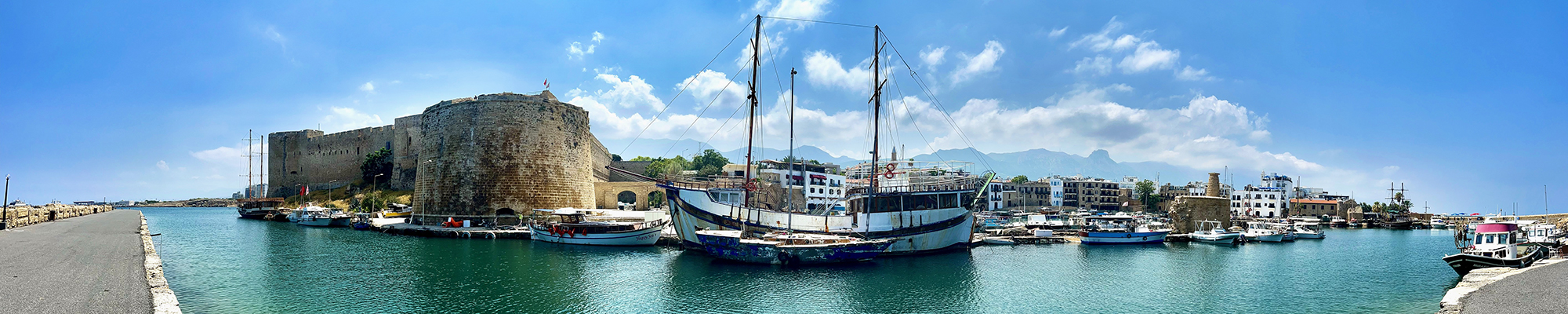
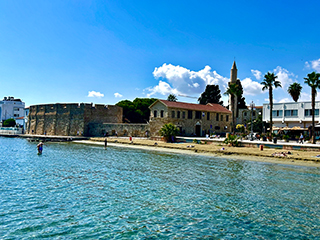
Larnaca Castle is one of the most prominent landmarks of Larnaca Cyprus. Originally built as a small Byzantine fort near the harbour in the late 12th century, it was expanded during the medieval period when Larnaca Cyprus grew in importance as a port city. The castle was strengthened to protect the coastline and harbour and later modified under Ottoman rule.
Over time, the castle lost its military significance and served various purposes, including use as a prison during British administration. Today, Larnaca Castle stands as a small museum, offering insight into the long and layered history of Larnaca Cyprus, with exhibits from early Christian, Byzantine and post-Byzantine periods.
Church of Saint Lazarus
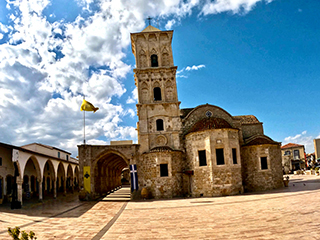
The Church of Saint Lazarus is one of the most important religious monuments in Larnaca Cyprus. Built in the late 9th century, the church is believed to stand over the second tomb of Lazarus, who according to tradition became the first Bishop of Kition after fleeing Judea.
Throughout centuries of Frankish, Venetian and Ottoman rule, the church underwent architectural changes while remaining a central place of worship. Today, the Church of Saint Lazarus remains a powerful symbol of faith and continuity in Larnaca Cyprus, admired for its stone architecture, icons and spiritual significance.
Hala Sultan Tekke Mosque
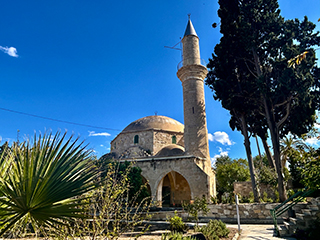
One of the most significant Islamic pilgrimage sites on the island is located in Larnaca Cyprus: the Hala Sultan Tekke Mosque. Set beside the western shore of the Salt Lake, the mosque lies within a peaceful garden landscape.
The site is associated with Umm Haram, a close relative of the Prophet Muhammad, who died during early Arab raids on Cyprus. Built in its present form in the early 19th century, the mosque remains an important place of worship and a symbol of the religious diversity that defines Larnaca Cyprus.
Larnaca Salt Lakes & Flamingos
The Salt Lakes of Larnaca Cyprus form one of the most important natural habitats for migratory birds in Europe. During the winter months, the lakes fill with water and attract thousands of birds, including the iconic Greater Flamingos.
From November to March, these elegant birds turn the Salt Lakes of Larnaca Cyprus into one of the island’s most beautiful natural spectacles, offering a striking contrast to the city’s urban landscape.
Aqueduct of Kamares
The Kamares Aqueduct is another remarkable historical structure of Larnaca Cyprus. Built in the 18th century under Ottoman administration, the aqueduct once supplied the city with fresh water from inland sources. With its impressive sequence of arches, it remains one of the most important Ottoman monuments on the island and a striking reminder of Larnaca Cyprus’s historical infrastructure.
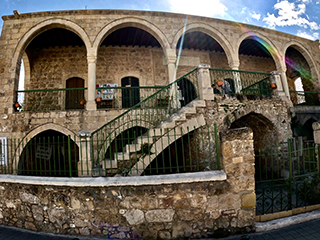
Experience Larnaca Cyprus with Sancytours
Exploring Larnaca Cyprus means discovering a city shaped by history, religion, trade and nature.
Larnaca Cyprus can be explored as a private, individual experience with Sancytours, allowing you to discover its landmarks, stories and hidden corners at your own pace, guided personally and without crowds.
Choose your date and book now:
| M | D | M | D | F | S | S | |
|---|---|---|---|---|---|---|---|
14 | 1 | 2 | 3 | 4 | 5 | ||
15 | 6 | 7 | 8 | 9 | 10 | 11 | 12 |
16 | 13 | 14 | 15 | 16 | 17 | 18 | 19 |
17 | 20 | 21 | 22 | 23 | 24 | 25 | 26 |
18 | 27 | 28 | 29 | 30 |
| M | D | M | D | F | S | S | |
|---|---|---|---|---|---|---|---|
18 | 1 | 2 | 3 | ||||
19 | 4 | 5 | 6 | 7 | 8 | 9 | 10 |
20 | 11 | 12 | 13 | 14 | 15 | 16 | 17 |
21 | 18 | 19 | 20 | 21 | 22 | 23 | 24 |
22 | 25 | 26 | 27 | 28 | 29 | 30 | 31 |
Author: Jürgen Derichs am 6. März 2024 07:21, category: Infothek Cities and Villages, comments per feed RSS 2.0, comments closed.