



Kolossi Castle Cyprus – Medieval History Near Limassol
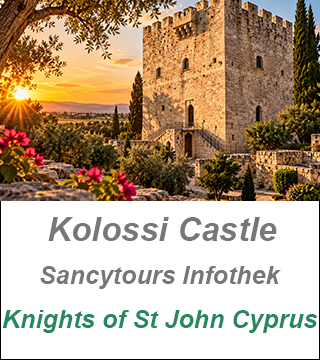 Kolossi Castle Cyprus is one of the island’s most important medieval monuments. The well-preserved fortress stands beside Kolossi village, around 14 kilometres west of Limassol.
The Crusades, the Knights Hospitaller and the Knights Templar shaped the history of the castle. However, Kolossi was more than a military stronghold. It also became the administrative centre of a wealthy estate. Local workers grew and processed sugar cane, grapes and other agricultural products across the surrounding estate.
The present tower dates from 1454. Its massive stone walls, historic rooms, coats of arms and elevated rooftop still reveal the former importance of this remarkable site.
The History of Kolossi Castle Cyprus
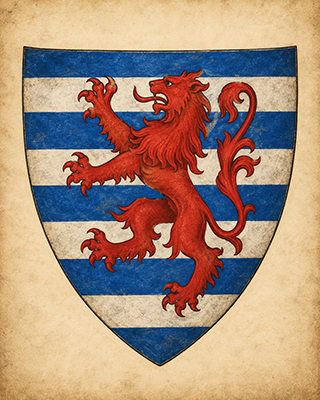
The story of Kolossi Castle developed during the period of Frankish rule in Cyprus. After the end of Byzantine rule, the island became a kingdom governed by the Lusignan dynasty.
Cyprus occupied an important position in the eastern Mediterranean. It connected European rulers and military orders with the ports and territories of the Middle East. Therefore, the Lusignan rulers established strong administrative and defensive centres across the island.
Kolossi stood in a fertile area close to Limassol. From here, its owners could manage valuable agricultural land and protect important routes near the southern coast.
The First Castle at Kolossi
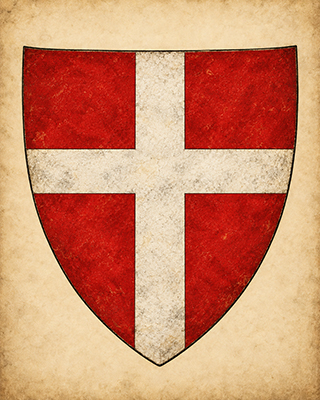 Frankish builders probably constructed the first medieval castle at the beginning of the 13th century. In 1210, King Hugh I of Cyprus granted the land of Kolossi to the Order of St John of Jerusalem.
People commonly called the members of this religious military order the Knights Hospitaller. Their original mission included caring for sick and injured pilgrims. Over time, however, the order also became a powerful military and economic organisation.
Kolossi developed into the centre of a commandery. A commander of the order controlled this estate. The commandery included villages, farmland, workshops and valuable agricultural resources.
The Knights Templar at Kolossi
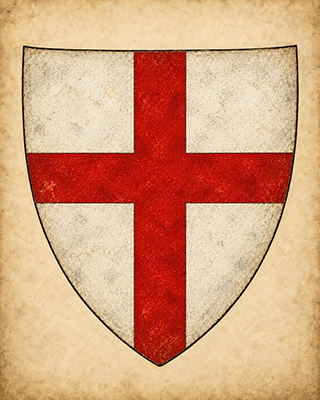 The Knights Templar temporarily gained control of Kolossi in 1306. At that time, political rivalry affected both the Kingdom of Cyprus and the military orders operating on the island.
Templar control did not last long. European rulers and church authorities dissolved the order during the early 14th century. As a result, Kolossi returned to the Knights Hospitaller in 1313.
The Hospitallers continued to manage the estate for many years. The castle and its surrounding lands became an important source of income for the order.
Destruction and Reconstruction
 The earlier fortress suffered serious damage during attacks in the 15th century. Mamluk forces raided Cyprus in 1426 and again threatened the area during the following years.
Consequently, the old castle no longer provided sufficient protection. The Knights Hospitaller replaced it with the strong tower that visitors can see today.
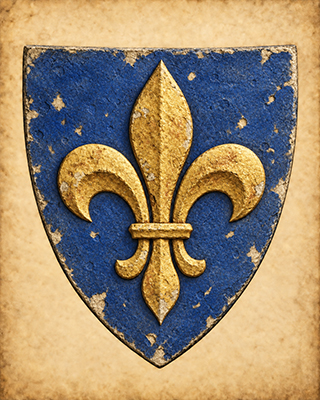
Louis de Magnac, the commander of Kolossi, oversaw the completion of the present castle in 1454. His coat of arms still decorates the building. Other heraldic symbols also recall the Lusignan rulers of Cyprus and the Knights Hospitaller.
Architecture of Kolossi Castle
The castle is dominated by a three-storey square keep. It rises approximately 21 metres above the surrounding landscape. Its simple appearance reflects its defensive and administrative purpose.
The builders positioned the entrance above ground level to improve security. Originally, a movable bridge connected the raised entrance to an external structure. This arrangement made it more difficult for attackers to enter the tower.
The castle’s inhabitants mainly used the lower floor for storage and practical purposes. Thick stone walls helped protect supplies and kept the rooms cooler during the hot Cypriot summer.
The upper floors included living and administrative rooms. Large fireplaces provided heat and were also used for preparing food. Stone window seats, vaulted ceilings and carved details offer clues about daily life inside the building.
A narrow stone staircase connects the different levels. From the rooftop, guards could observe the countryside, nearby roads and the wider coastal region.
Defensive Features
Kolossi Castle was designed to resist attack. Guards could defend the entrance from above, while narrow openings allowed guards to watch the surrounding area.
A projecting stone structure above the entrance formed part of the defensive system. Through openings in its floor, defenders could drop objects or liquids on anyone attempting to force their way inside.
The castle’s height also provided a major advantage. From the roof, movements across the flat countryside could be detected early. Nevertheless, Kolossi was not only a battlefield fortress. It also protected the administration and wealth of the commandery.
The Coats of Arms
Several coats of arms still decorate the exterior of the castle. These stone carvings represented authority, ownership and political connections.
They include symbols linked to the Lusignan Kingdom of Cyprus, the Kingdom of Jerusalem and the Knights Hospitaller. The arms associated with Louis de Magnac also commemorate the commander responsible for rebuilding the castle in 1454.
These carvings were more than decoration. They clearly showed visitors who controlled the fortress and its surrounding estate.
Kolossi and Medieval Sugar Production
Medieval Cyprus produced sugar as one of its most valuable goods. At that time, Europeans considered sugar a rare and expensive luxury product rather than an everyday ingredient. Therefore, it was treated as a luxury product rather than an everyday ingredient.
The fertile land around Kolossi supported the cultivation of sugar cane. Water was essential for the fields and for processing the harvested crop. A network of channels and aqueducts helped supply the estate.
Remains of the medieval sugar-processing facilities survive close to the castle. Workers crushed the harvested cane to extract its juice. Afterwards, workers heated and refined the liquid before storing or exporting the finished sugar.
This profitable industry increased the economic importance of Kolossi. It also helped finance the activities of the military order that controlled the estate.
Kolossi Castle Cyprus and Commandaria Wine
The region around Kolossi was also known for wine production. Its most famous product is Commandaria, a sweet Cypriot wine made from sun-dried grapes.
The name Commandaria comes from the medieval commanderies that managed land and agriculture in Cyprus. Kolossi became particularly associated with this tradition because it served as an important headquarters of the Knights Hospitaller.
Commandaria has much older roots than the present castle. Cypriots produced wine long before the medieval period. However, the commandery helped organise its production, taxation and trade.
A famous tradition connects this Cypriot wine with Richard the Lionheart. He married Berengaria of Navarre in Limassol in 1191. Later stories claim that he praised the local sweet wine during the wedding celebrations. Although the exact wording belongs to legend, the story reflects the wine’s long-standing reputation.
The Church of Agios Eustathios
The small medieval Church of Agios Eustathios stands near Kolossi Castle. Historical tradition links the church with the castle and its inhabitants.
The church contains traces of wall paintings from different periods. Its position beside the commandery shows that religious life formed an important part of the settlement.
Military orders combined religious duties with administration and defence. Therefore, a nearby place of worship was essential for the knights, workers and local community.
Kolossi Under Later Rulers
The strategic role of Kolossi gradually changed as political control of Cyprus passed to new rulers. The Venetian Republic took control of the island in the late 15th century. Later, the Ottoman Empire conquered Cyprus in 1571.
Advances in artillery also changed military architecture. Tall medieval towers became less effective against powerful cannons. As a result, Kolossi Castle gradually lost its original defensive importance.
Nevertheless, the tower survived. Its strong construction helped preserve much of the medieval structure, even after it was no longer used as the centre of a powerful commandery.
Kolossi Castle Today
Today, Kolossi Castle is one of the best-preserved medieval towers in Cyprus. Visitors can enter the keep, explore its rooms and climb the stone staircase to the rooftop.
The castle offers a clear picture of medieval power in Cyprus. It combines military architecture with the history of agriculture, trade and religious orders.
Nearby remains also help visitors understand the wider estate. The former sugar-processing buildings, water system and church reveal that Kolossi was once a busy economic centre rather than an isolated fortress.
 Would you like to see the castle before your visit? Explore our Kolossi Castle Mediathek for original Sancytours photographs of the tower, its interior rooms and historic surroundings.
Experience Kolossi Castle during a private and exclusive Sancytours excursion. Combine the fortress with other fascinating historic locations in the Limassol region and discover Cyprus at your own pace.
FAQ – Frequently Asked Questions About Kolossi Castle
Why Is Kolossi Castle Important?
Kolossi Castle is important because it brings together several parts of Cypriot history. It represents the Frankish Kingdom of Cyprus, the Crusader military orders and the island’s connections with the eastern Mediterranean.
At the same time, the castle tells the story of medieval agriculture and international trade. Sugar and wine created wealth, while the commandery managed land, workers and production.
For this reason, Kolossi Castle is not simply an impressive stone tower. It shows how medieval Cyprus closely combined military authority, religion and commerce.
When was Kolossi Castle built?
An earlier fortress probably existed at Kolossi from the beginning of the 13th century. The present castle was completed in 1454 under the command of Louis de Magnac.
Who built Kolossi Castle?
The Knights Hospitaller built the castle that visitors see today. They were also known as the Order of St John of Jerusalem.
Did the Knights Templar own Kolossi Castle?
The Knights Templar controlled Kolossi for a short period beginning in 1306. After the suppression of their order, the castle returned to the Knights Hospitaller in 1313.
What was Kolossi Castle used for?
The castle served as a fortified administrative centre. It protected the commandery and helped manage its farmland, workers, products and income.
Why was sugar important at Kolossi?
Sugar cane was cultivated and processed on the surrounding estate. During the Middle Ages, sugar was a valuable luxury product and an important Cypriot export.
What is the connection between Kolossi Castle and Commandaria?
Kolossi was the centre of an important medieval commandery. The name Commandaria is linked to these commanderies and to the sweet wine produced in the region.
Can visitors enter Kolossi Castle?
Visitors can normally explore the interior floors and reach the rooftop by using the narrow stone staircase. Access conditions and opening times may change.
Where is Kolossi Castle located?
Kolossi Castle stands beside Kolossi village, approximately 14 kilometres west of Limassol in southern Cyprus.
Author: Jürgen Derichs am 21. Sep 2026 15:16, category: Infothek – Historical Sites, comments per feed RSS 2.0, comments closed.