


Kantara Castle – Sentinel of the Mountains & Gateway to the East
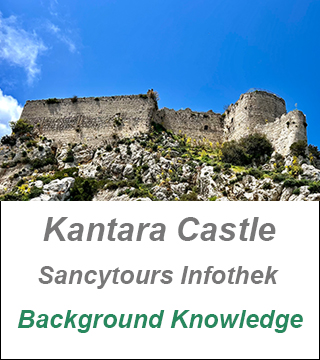 Kantara Castle is one of the most dramatic and strategically important medieval fortresses on Cyprus.
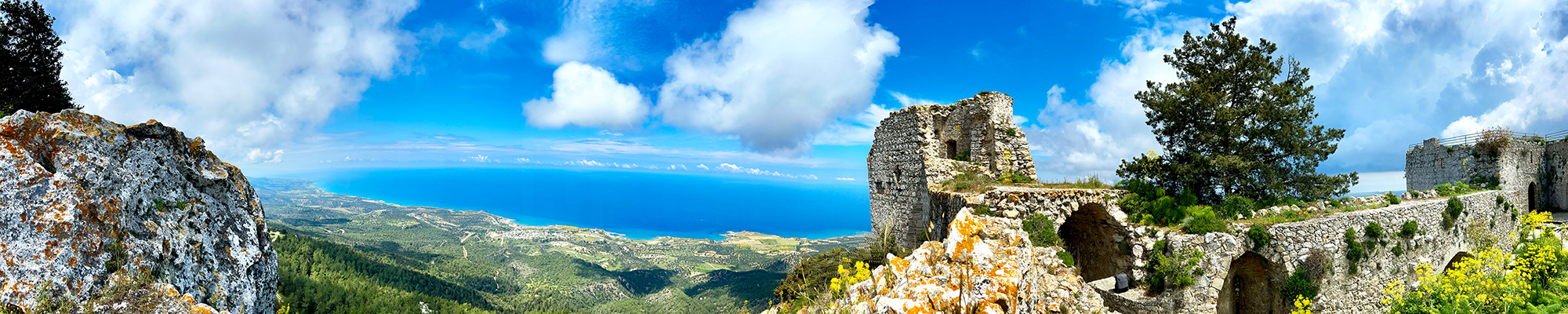
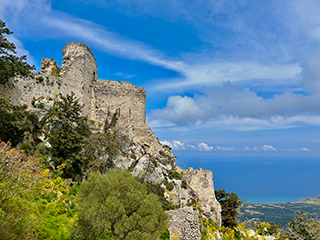
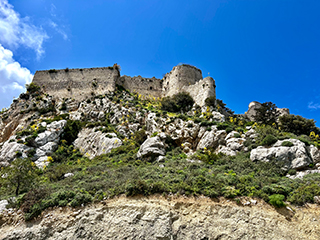
Perched high on the eastern edge of the Kyrenia mountain range, Kantara Castle commands breathtaking views over both the northern coastline and the long stretch of the Karpaz Peninsula.
For visitors interested in medieval history, mountain landscapes and panoramic viewpoints, Kantara Castle offers an experience that combines architecture, nature and strategic significance in a truly unique way.
The Origins of Kantara Castle
The origins of Kantara are generally traced back to the Byzantine period, likely between the 10th and 11th centuries. At that time, Cyprus faced repeated threats from Arab naval raids, and a chain of mountain fortresses was established to provide early warning and inland defence. Kantara Castle formed the eastern anchor of this defensive line, alongside St. Hilarion and Buffavento.
Unlike coastal fortifications, Kantara Castle was designed primarily as a lookout and signal station. Its elevated position allowed defenders to observe both sea routes and land movements, relaying warnings across the mountains using fire and smoke signals.
Kantara Castle During the Lusignan Period
Following the arrival of the Lusignans in the late 12th century, Kantara Castle gained greater military and political significance. The castle was expanded and reinforced, transforming it from a primarily defensive outpost into a fully functional stronghold.
During this period, Kantara Castle played a role in internal power struggles as well as in defending the eastern approaches to the island. Its position overlooking the route to the Karpaz Peninsula made it essential for controlling movement and securing supply lines.
Venetian Rule & Decline
When the Venetians took control of Cyprus in the late 15th century, military strategy shifted toward coastal fortifications better suited to withstand artillery warfare. As a result, Kantara Castle gradually lost its importance.
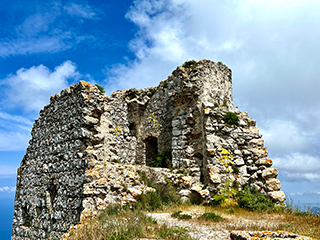
Rather than modernising the mountain castles, the Venetians focused resources on ports and city walls. Kantara Castle was eventually abandoned, its strategic role overtaken by changing warfare and political priorities. Over time, the fortress fell into ruin, reclaimed by wind, weather and vegetation.
Life Inside Kantara Castle
Despite its remote location, Kantara once supported a small garrison. Archaeological remains suggest the presence of storage rooms, cisterns for water collection and modest living quarters. Life here would have been harsh and isolated, marked by long periods of watchfulness rather than constant battle.
The castle’s reliance on natural defences — steep cliffs and narrow access paths — reduced the need for massive walls, reflecting a design that worked with the landscape rather than against it.
Why Kantara Castle Matters Today
Today, Kantara stands as a powerful reminder of medieval Cyprus and the importance of geography in shaping history. Its ruins tell a story of vigilance, isolation and strategic foresight, offering insight into how the island was protected long before modern borders and technologies existed.
The sense of scale, silence and exposure makes Kantara Castle one of the most atmospheric historical sites on the island.
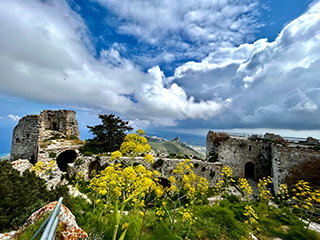
Visit Kantara Castle with SancyTours
Kantara can be explored as a private, individual experience with SancyTours, allowing you to discover its history, ruins and panoramic views at your own pace, guided personally and without crowds.
Choose your date and book now:
| M | D | M | D | F | S | S | |
|---|---|---|---|---|---|---|---|
14 | 1 | 2 | 3 | 4 | 5 | ||
15 | 6 | 7 | 8 | 9 | 10 | 11 | 12 |
16 | 13 | 14 | 15 | 16 | 17 | 18 | 19 |
17 | 20 | 21 | 22 | 23 | 24 | 25 | 26 |
18 | 27 | 28 | 29 | 30 |
| M | D | M | D | F | S | S | |
|---|---|---|---|---|---|---|---|
18 | 1 | 2 | 3 | ||||
19 | 4 | 5 | 6 | 7 | 8 | 9 | 10 |
20 | 11 | 12 | 13 | 14 | 15 | 16 | 17 |
21 | 18 | 19 | 20 | 21 | 22 | 23 | 24 |
22 | 25 | 26 | 27 | 28 | 29 | 30 | 31 |
Author: Jürgen Derichs am 28. Juni 2024 16:03, category: Infothek – Historical Sites, comments per feed RSS 2.0, comments closed.