


Buffavento Castle – Fortress of Winds, Power & Isolation
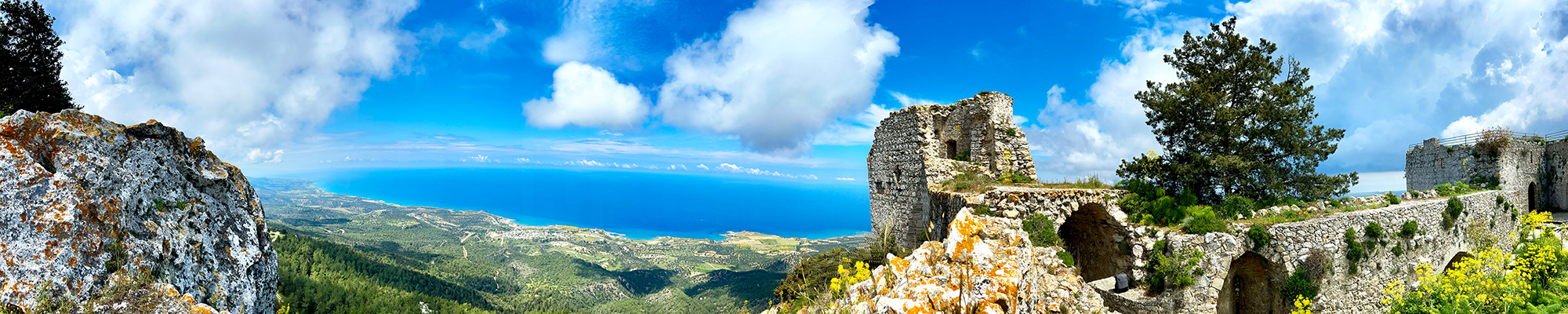
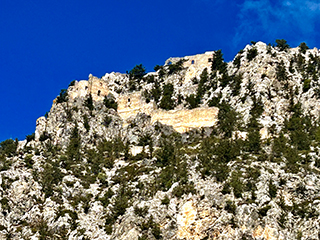
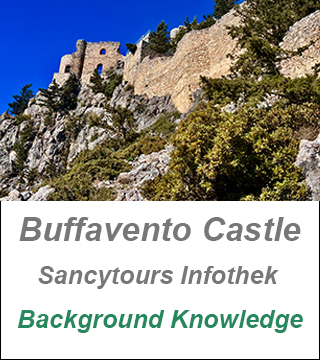 Buffavento Castle is one of the most dramatic and remote medieval fortresses on Cyprus. Perched high on a steep peak of the Kyrenia mountain range, Buffavento Castle dominates the landscape with a sense of isolation, strength and silence. Its name, often translated as “Castle of the Winds,” perfectly reflects the exposed and commanding position of this remarkable site.
Unlike coastal strongholds, Buffavento Castle was never designed to impress through size alone. Its true power lay in its altitude, inaccessibility and strategic visibility across large parts of the island.
Origins of Buffavento Castle
The origins of Buffavento Castle are believed to date back to the Byzantine period, likely between the 10th and 11th centuries. During this time, Cyprus faced repeated threats from seaborne raids, and a network of mountain fortresses was established to protect the island’s interior and provide early warning of approaching enemies.
Together with St. Hilarion and Kantara, Buffavento Castle formed part of this defensive chain along the Kyrenia mountains. Its elevated position allowed visual communication between castles, using signals to alert coastal settlements and inland towns.
Buffavento Castle in the Lusignan Era
With the arrival of the Lusignan dynasty in the late 12th century, Buffavento Castle took on new importance. The fortress was expanded and strengthened, serving not only as a military outpost but also as a place of refuge and imprisonment.
During periods of internal conflict, Buffavento Castle was used to detain high-ranking prisoners due to its extreme isolation and difficult access. Its steep approach paths and exposed ridges made escape nearly impossible, reinforcing its reputation as an impregnable stronghold.
The castle’s role during this period reflects the unstable political landscape of medieval Cyprus, where power struggles were often fought not only on battlefields but also through control of key fortresses like Buffavento Castle.
Architecture & Defensive Design
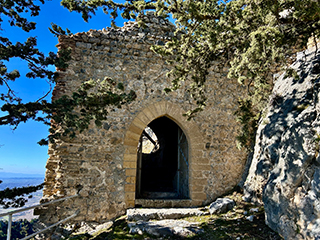
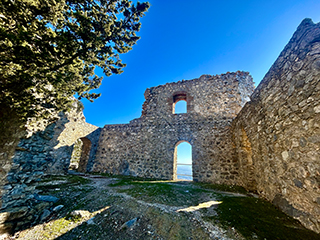
The layout of Buffavento Castle follows the natural contours of the mountain peak. Rather than massive outer walls, the fortress relied on narrow access routes, steep cliffs and limited entry points. Towers, vaulted rooms and defensive walls were positioned to maximise visibility and control movement.
Inside Buffavento Castle, remains of living quarters, storage rooms and cisterns suggest that a small garrison once lived here for extended periods. Life at this altitude would have been harsh, marked by cold winds, isolation and long hours of watchfulness.
Decline and Abandonment
As warfare evolved and artillery became more prominent, the strategic value of mountain fortresses declined. During Venetian rule, attention shifted toward coastal defences and fortified cities, leaving inland strongholds like Buffavento Castle increasingly obsolete.
Over time, Buffavento Castle was abandoned and left to the elements. Wind, weather and vegetation slowly reclaimed the structure, transforming it into the atmospheric ruin that stands today.
Buffavento Castle Today
Today, Buffavento Castle offers one of the most impressive viewpoints on Cyprus. From its summit, visitors can look north toward the Mediterranean, east across the Karpaz Peninsula and south over the plains and hills of the island. The sense of height, exposure and silence is unlike any other historical site on Cyprus.
Exploring Buffavento Castle is not about comfort or convenience — it is about scale, perspective and understanding how geography shaped medieval power.
Why Buffavento Castle Matters
Buffavento Castle stands as a symbol of medieval strategy, isolation and endurance. It represents a time when control of the landscape was as important as military force, and when castles were placed not for beauty but for survival.

Visit Buffavento Castle with SancyTours
Buffavento Castle can be explored as a private, individual experience with SancyTours, allowing you to discover its history, ruins and panoramic views at your own pace. Our guided visits focus on context, atmosphere and understanding — personal, flexible and without crowds.
Author: Jürgen Derichs am 31. Dec 2025 14:22, category: Infothek – Historical Sites, comments per feed RSS 2.0, comments closed.