


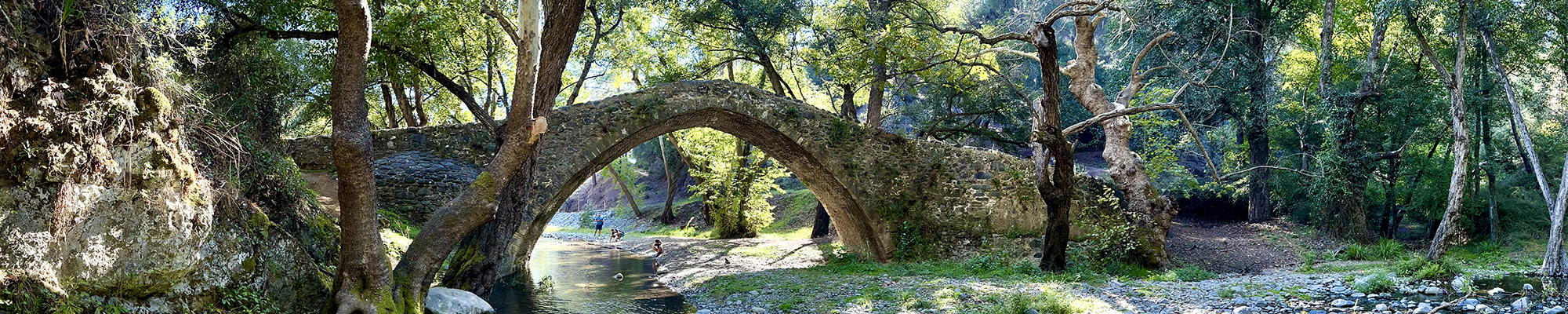
Nicosia Cyprus private guided Tour through Cyprus diveded city
 Nicosia, also known as Lefkosia, is the capital of Cyprus. Nicosia is one of the oldest continuously inhabited areas on the island.
Archaeological evidence shows that the area has been settled since around 2500 BC. At the beginning of the Bronze Age.
In antiquity, the settlement was known as Ledra and developed into one of the ancient city-kingdoms of Cyprus.
Nicosia Cyprus – Divided Capital, History & Culture
Over the centuries, Nicosia was shaped by many different cultures and rulers, including the Byzantines, Lusignans, Venetians, Ottomans and British. The city became the capital of Cyprus during the Byzantine period. Around the 10th–11th century, and has remained the island’s political and administrative centre ever since. Its impressive Venetian walls, medieval churches, Gothic buildings, mosques and traditional neighbourhoods still reflect this fascinating and diverse past.
Today, Nicosia is especially unique because its historic Old Town extends across both sides of the divided city. Visitors can explore centuries of history, architecture, culture and everyday life within just a few streets – making Nicosia one of the most fascinating places to discover the many different faces of Cyprus.
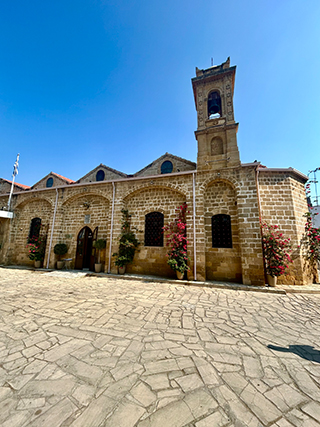 Agios Savvas Church – A Hidden Treasure in Nicosia Old Town
The Agios Savvas Church in Nicosia is a beautiful Orthodox church hidden among the narrow streets of the historic Old Town. The present church was built in 1850–1851 on the foundations of an older place of worship, giving this peaceful site a history that reaches much further back in time.
Step inside and one of its greatest treasures is revealed: an impressive wood-carved iconostasis, surrounded by historic icons and religious artwork. The bright interior, with its white vaulted ceilings and subtle blue details, creates a wonderful contrast to the warm stone exterior.
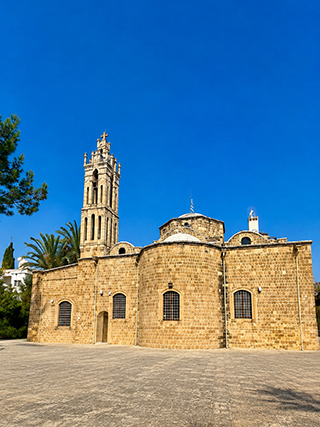 Archangel Michael Trypiotis Church – Nicosia Old Town
The Archangel Michael Trypiotis Church in Nicosia is one of the most remarkable Orthodox churches within the historic Old Town. Built in 1695 during the Ottoman period, it is an impressive example of Franco-Byzantine architecture, with three naves, a distinctive dome and beautifully worked stone walls.
Inside, the church reveals an unexpectedly rich interior. Its exceptionally wide and imposing iconostasis is one of its greatest treasures, accompanied by historic icons and silver-covered religious artworks from different periods.
 Panagia Phaneromeni Church – Nicosia Old Town
The Panagia Phaneromeni Church in Nicosia stands in the heart of the historic Old Town, close to Ledra Street. Built in 1872, it is the largest church within Nicosia’s Venetian walls and one of the city’s most important Orthodox landmarks.
The church combines Byzantine, Gothic and Neoclassical architectural elements and has a richly decorated interior with historic icons and religious treasures. Outside, the marble mausoleum commemorates bishops and priests who were executed by the Ottomans in 1821.
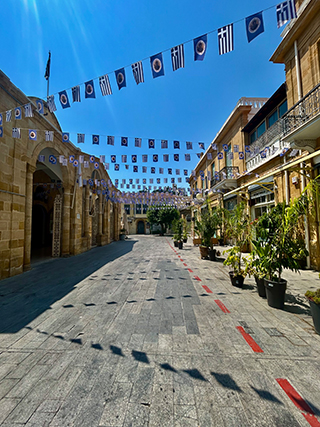
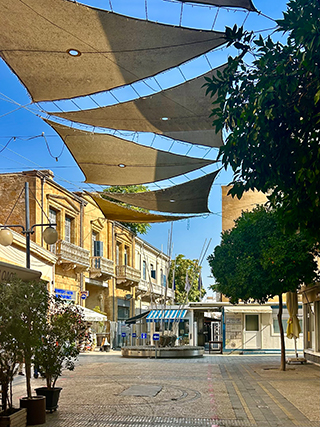 Ledra Street & Green Line Crossing in Nicosia
Ledra Street in Nicosia is the lively pedestrian heart of the Old Town, lined with shops, cafés and restaurants. Yet what makes this street truly unique is the Green Line crossing located right in the middle of the shopping district.
Here, visitors can cross on foot from the Greek Cypriot south, pass through the UN Buffer Zone, and continue into the Turkish Cypriot north. Within just a few steps, the atmosphere changes noticeably – architecture, shops, sounds and street life create the fascinating feeling of moving from the Occident into the Orient.
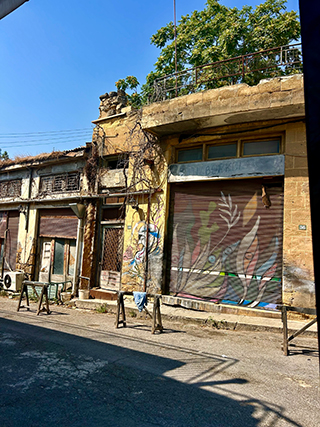 UN Buffer Zone in Nicosia – A City Frozen in Time
The UN Buffer Zone in Nicosia runs directly through the heart of the old city, separating the Greek Cypriot south from the Turkish Cypriot north. In some places it is only a few metres wide, while elsewhere entire streets and blocks lie between the two sides.
Here, abandoned streets and empty houses create an almost surreal scene. Buildings that once contained homes, shops and businesses have stood largely unused for decades, some still marked by the events of the past. Barricades, sandbags and barbed wire remain visible, while nature has slowly reclaimed parts of this extraordinary area.
Today, the Buffer Zone is monitored by the United Nations Peacekeeping Force in Cyprus (UNFICYP).
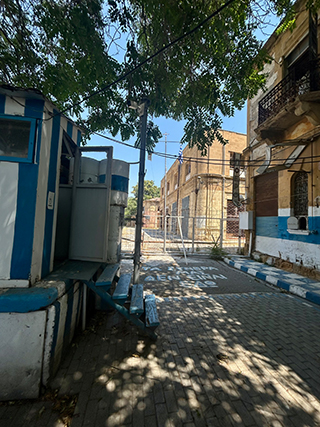 Nicosia’s Old Checkpoint – A Reminder of the Divided City
Hidden in the streets of Nicosia Old Town, this former checkpoint offers a striking reminder of the city’s division. Barriers, guard posts and abandoned buildings along the Green Line still reveal how abruptly streets and neighbourhoods were once separated.
Nearby, the name “Checkpoint Charlie” recalls the famous crossing of the former Berlin Wall – an appropriate comparison for a city that remains divided today.
Looking beyond the barriers, visitors can still see parts of the UN Buffer Zone, where time appears to have stood still for decades.
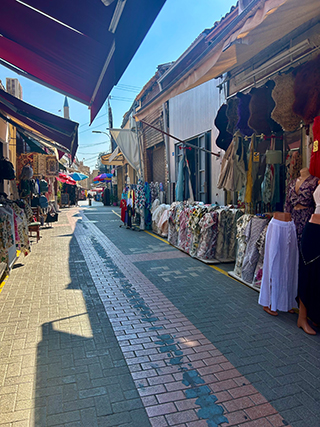 Shopping in North Nicosia – Shops, Bazaars & Great Prices
Once you cross into North Nicosia, the streets quickly turn into a lively shopping experience. Around the historic Arasta district, shop follows shop, with an impressive choice of clothing, shoes, handbags, accessories, jewellery, souvenirs and much more.
Shopping here is especially popular because of the wide selection and attractive prices. From small local stores to colorful bazaar-style shops, there is always something new to discover. Take your time, browse the displays and enjoy the vibrant atmosphere – for many visitors, shopping in North Nicosia becomes an unexpected highlight of their day.
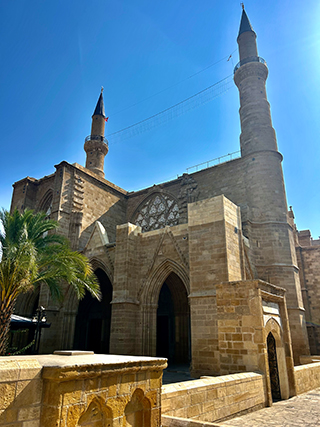 Selimiye Mosque – The Former St. Sophia Cathedral
The Selimiye Mosque in Nicosia is one of the city’s most impressive landmarks. Originally built as the Gothic Cathedral of Saint Sophia, construction began in 1209 and the cathedral later became the coronation church of the Lusignan kings of Cyprus.
After the Ottoman conquest of Nicosia in 1570, the cathedral was converted into a mosque and two minarets were added to its striking Gothic façade. Today, Christian Gothic architecture and Islamic tradition come together in one extraordinary building – a fascinating symbol of Nicosia’s complex history.
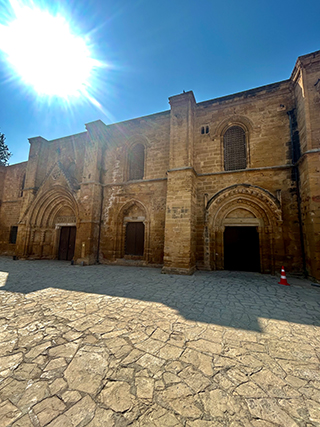 Bedesten – From Ancient Church to Ottoman Market
The Bedesten in Nicosia, standing beside the Selimiye Mosque, has a remarkable history stretching back more than a thousand years. Its origins lie in an early Byzantine church, which was repeatedly enlarged and transformed over the centuries.
Later known as St. Nicholas Church and used as an Orthodox cathedral, the building became a covered market during Ottoman rule. Its architecture still reveals this extraordinary past, combining Byzantine, Gothic and Renaissance elements. Today, the beautifully restored Bedesten serves as a cultural and exhibition venue.
Sultan Mahmud II Library – An Ottoman Treasure in Nicosia
The Sultan Mahmud II Library in Nicosia stands just behind the Selimiye Mosque. With its elegant dome and Ottoman architecture, the small building can easily be mistaken for a mosque, but it was actually built as a library in 1829.
Its historic collection includes valuable Turkish, Arabic and Persian books and manuscripts, while beautiful Arabic calligraphy decorates the interior. The library is another fascinating reminder of the rich Ottoman heritage hidden within the streets of Nicosia Old Town.
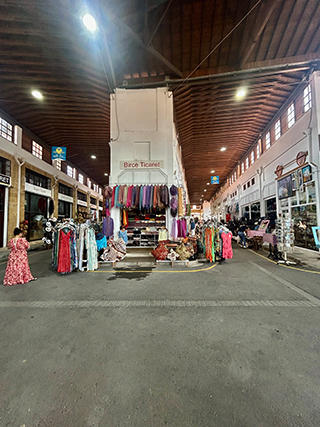 Bandabulya Bazaar – The Historic Market of Nicosia
The Bandabulya Bazaar in North Nicosia is one of the city’s traditional marketplaces and has been part of local life for generations. Built between 1930 and 1932, it once served as the main covered municipal market, where people came to buy fresh produce, food and everyday goods.
Today, the restored market combines its historic atmosphere with small shops, stalls and cafés. Located close to the Selimiye Mosque and Bedesten, Bandabulya offers a glimpse into the traditional trading culture and everyday life of Nicosia’s old walled city.
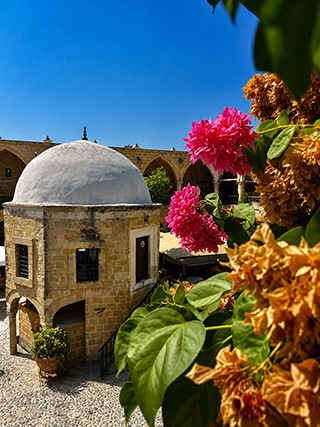 Büyük Han – The Great Ottoman Inn of Nicosia
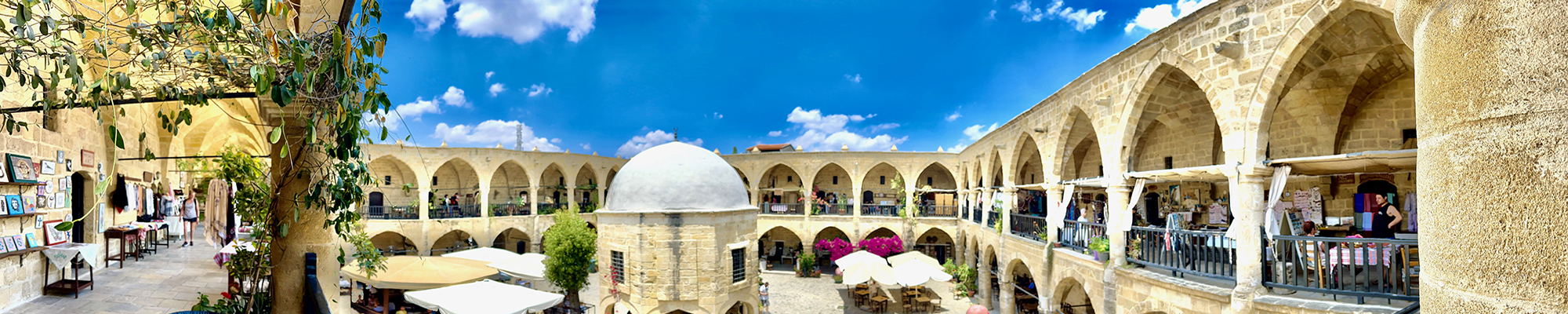
The Büyük Han in North Nicosia is one of the finest examples of Ottoman architecture in Cyprus. Built in 1572 as a caravanserai, it once provided accommodation, storage and shelter for merchants, travellers and their animals.
Today, the magnificent two-storey courtyard is filled with small artisan shops, galleries and cafés. At its centre stands a small raised prayer room above a fountain. Beautiful stone arches and historic rooms create a unique atmosphere, making Büyük Han one of the absolute highlights of Nicosia Old Town.
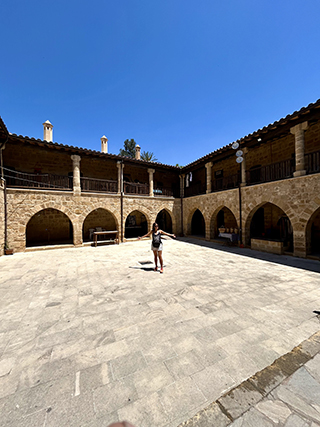 Kumarcılar Han – Nicosia’s Hidden Ottoman Inn
The Kumarcılar Han in North Nicosia is the smaller and more intimate neighbour of the famous Büyük Han. Built during the Ottoman period, the historic caravanserai once offered accommodation for travelling merchants, while its ground-floor rooms were used for goods and animals.
After extensive restoration, its charming inner courtyard is once again full of life. Small shops, local crafts and cafés now occupy the former rooms, making Kumarcılar Han a peaceful and atmospheric place to discover another side of Nicosia’s Ottoman heritage.
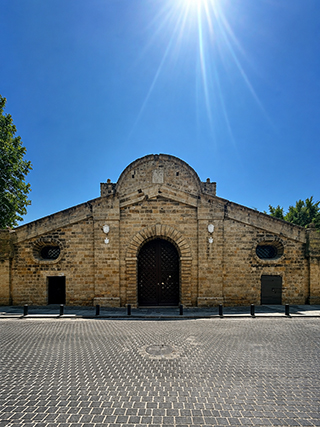 Famagusta Gate – Nicosia’s Impressive Venetian Gateway
The Famagusta Gate in Nicosia is the largest and most impressive of the three original entrances through the city’s Venetian walls. Built in 1567, it was originally known as Porta Giuliana, named after the engineer Giulio Savorgnano, who designed Nicosia’s remarkable fortifications.
The eastern gate later became known as Famagusta Gate because it opened onto the road leading towards the important port city of Famagusta. Its massive stone walls, impressive façade and large vaulted passage offer a fascinating glimpse into Nicosia’s Venetian past.
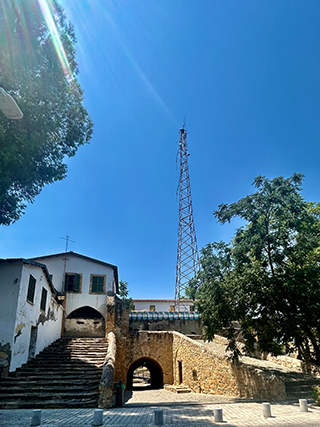 Paphos Gate – The Western Gateway of Old Nicosia
The Paphos Gate in Nicosia is one of the three original entrances through the city’s 16th-century Venetian walls. Located on the western side of the Old Town, the road beyond the gate once led southwest towards Paphos, giving the gateway its present name.
Originally known as Porta San Domenico, the gate is much simpler than the impressive Famagusta Gate and consists of a stone passage with a barrel-vaulted roof. During British rule, part of the adjacent city wall was opened in 1878 to provide easier access to the growing city.
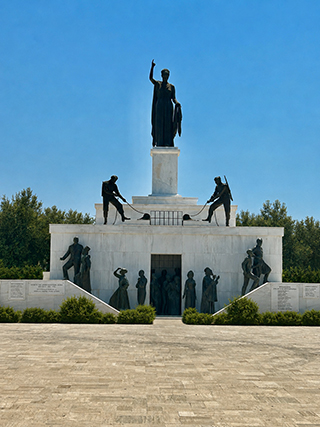 Liberty Monument – A Symbol of Cyprus’ Struggle for Freedom
The Liberty Monument in Nicosia stands on the Podocataro Bastion of the historic Venetian walls. Created by Greek sculptor Ioannis Notaras and completed in 1973, it commemorates the EOKA struggle against British colonial rule from 1955 to 1959.
The striking monument features seventeen bronze figures. At the top stands Liberty, while two fighters break the chains of a prison gate below. Men, women, villagers and clergy emerge from captivity, symbolizing different parts of Cypriot society and their path towards freedom.
 Discover all these fascinating sights and much more on a Private Nicosia Tour with Sancytours. Simply follow the LINK (click here) to explore the tour and book your experience,
or visit our Nicosia Media Gallery, where you can discover many photos from our tours and get a first impression of what awaits you in Cyprus’ extraordinary capital.
Author: Jürgen Derichs am 6. Mar 2024 17:15, category: Infothek Cities and Villages, comments per feed RSS 2.0, comments closed.