




Cyprus Wine – Omodos, Mountain Vineyards and Commandaria
 Taste a dry Xynisteri and then a glass of amber-coloured Commandaria, and you might wonder what they have in common.
Yet the same white grape can go into both. Pick it for a dry wine and you may taste green apple or fresh peach.
Leave the bunches to ripen longer, then dry them in the sun, and the flavours can turn towards raisins and dried figs.
That contrast makes Cyprus wine a pleasure to explore, especially when you can follow the grapes from a hillside vineyard to a village press and finally to your glass.
Where Wine Grows in the Troodos Mountains
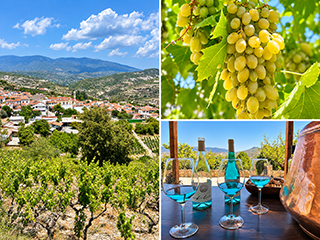 Omodos, Vasa, Koilani and Arsos belong to the Krasochoria, the wine villages on the southern slopes of the Troodos Mountains. Here, vineyard terraces follow the hillsides. The grapes ripen in the sunshine, while cooler mountain nights help them retain their freshness.
Farther east, growers around Kyperounta and Pelendri cultivate the slopes of Pitsilia, including small plots of Maratheftiko. To the west, Vouni Panagias–Ambelitis produces fragrant Xynisteri whites as well as reds and rosés from Mavro. The Commandaria villages have their own designated area above Limassol. Only wines from its fourteen villages that meet the production rules can carry the Commandaria name.
Omodos and Its Wine Villages
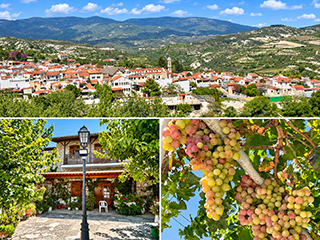 The approach to Omodos gives you a good look at how people farm these slopes. Rows of vines change direction with the hillside, and a bend in the road often reveals another small plot. Once you reach the cobbled lanes near the monastery, you can see what happened to the grapes after harvest. An old wooden wine press survives here, within walking distance of the village square.
Omodos also makes a good starting point for a tasting. Local wineries still work with grapes from the surrounding slopes, and neighbouring Vasa and Koilani lie on the same wine route. If you have the chance, try two dry Xynisteri wines side by side. One may remind you of green apple and citrus, while the other leans towards peach or flowers. With the grape variety held constant, differences between the wines become easier to pick out.
The Main Grape Varieties of Cyprus
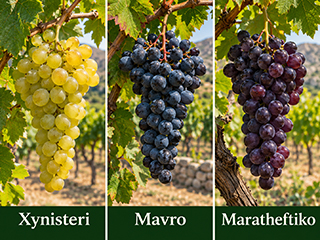 Xynisteri is a white grape known for fresh, dry wines with hints of green apple or peach. When dried in the sun, it can also give Commandaria its sweetness.
Mavro means “black” in Greek and refers to the grape’s dark skin. Winemakers use it for reds and rosés, as well as for Commandaria.
Maratheftiko produces deeply coloured reds with notes of red fruit and sometimes violets. Two other local grapes to look for are Ofthalmo, a red variety, and Promara, a white.
Local Wines to Look For
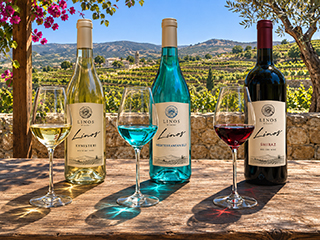 A dry Xynisteri, a Maratheftiko red and a small glass of Commandaria make a good introduction to Cypriot wine. Start with the lighter white, move on to the red and leave the sweet wine until last. On the first two labels, the name identifies the grape. Commandaria, by contrast, identifies a wine from a particular area, made in a particular way.
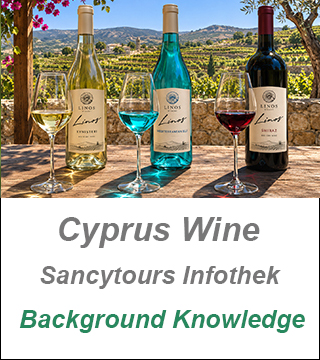
For something distinctive to Omodos, look for Mediterranean Blu from Linos Winery. Introduced in 2020, it uses white Xynisteri as its base and gets its blue colour from pigments found in red grape skins. Tasting it alongside a conventional Xynisteri adds an unexpected comparison to a visit rooted in village wine traditions.
Commandaria – Why Its Name Goes Back Centuries
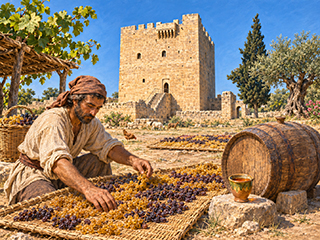 Commandaria is often called the world’s oldest named wine still in production. Cyprus made sweet wine in antiquity, but the name came later. It comes from the Grande Commanderie, the medieval knights’ estate at Kolossi. Today, fourteen villages above Limassol form the wine’s protected growing area.
Growers harvest ripe Xynisteri, Mavro or both, then lay the bunches in the sun. As they dry, their sugars concentrate. After pressing and fermentation, the wine matures in oak for at least two years. Its flavours often recall raisins and dried figs. In 2025, UNESCO recognised the tradition of making Commandaria as intangible cultural heritage.
The Linos – Inside the Old Wine Press of Omodos
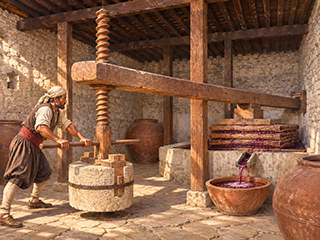 In a lane near the monastery stands the Linos tou Charilaou, the traditional wine press of Omodos. Step inside and the first thing that catches your eye is an enormous wooden beam. It takes up much of the room, with a wooden screw and a heavy stone weight at one end. Turning the screw allowed the long beam to press down on the harvested grapes and squeeze out their juice.
The detail worth noticing is the length of the timber. It gave the workers leverage, allowing them to apply far more pressure than they could by hand alone. After seeing the small vineyard plots around Omodos, the linos fills in a missing part of the story. It shows how the work of the hillside once continued right in the heart of the village.
Troodos Photo Gallery
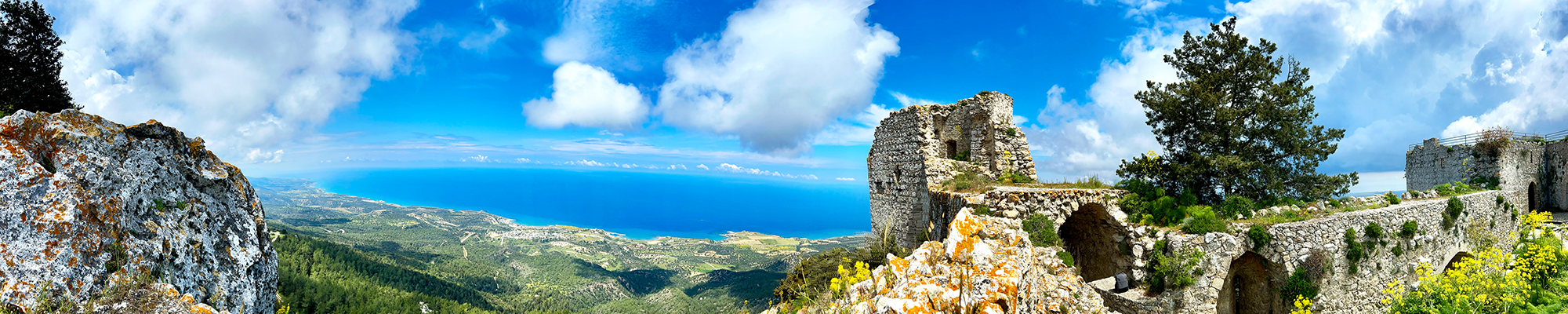
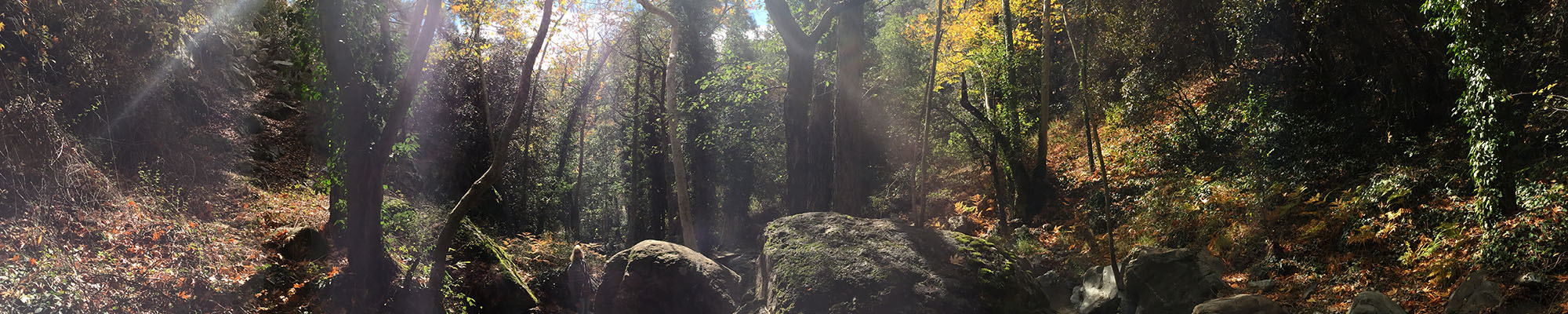
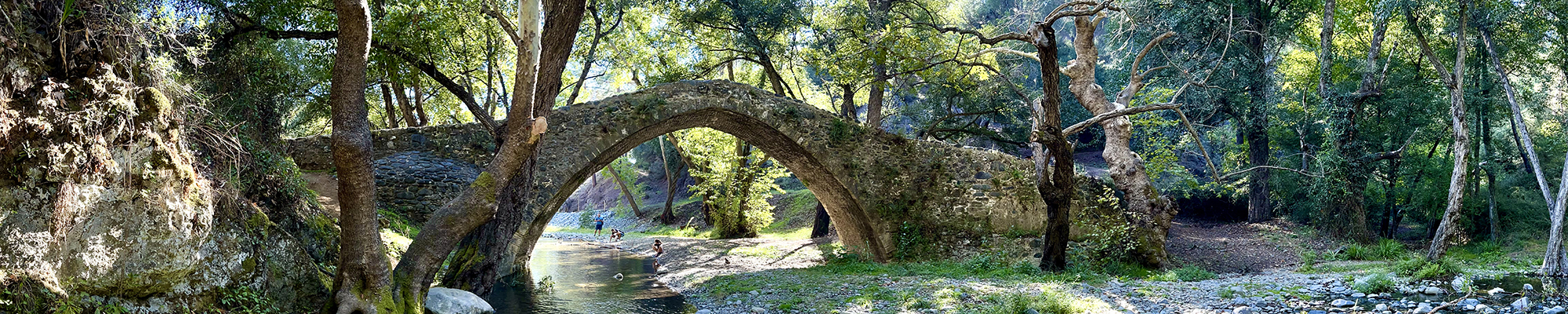
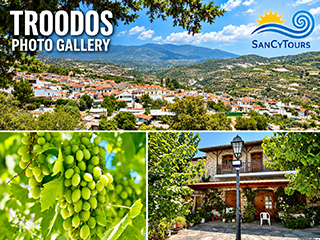 Explore our Troodos Photo Gallery for a closer look at the mountain scenery surrounding the wine villages. As you browse, look for the way the land changes from one slope to the next. Some hillsides carry rows of vines, while others rise into woodland above the villages. After reading about the Krasochoria, the gallery gives you a sense of the countryside you travel through on the way to Omodos.
Book Our Traditional Troodos Tour with Omodos and Wine Tasting
 Join us on our Traditional Troodos Tour to explore the mountains, visit Omodos and taste the wines featured in this guide. We take time to walk through the village, where cobbled lanes lead off the square and the old linos recalls the days of pressing grapes by hand. Afterwards, we visit a winery for the tasting. It is a chance to compare dry Xynisteri with a local red, then discover how different those same mountain grapes can taste in a sweet Commandaria. When you enquire, tell us your preferred date and how many people will join you.
Author: Jürgen Derichs am 22. Nov 2026 08:38, category: Infothek – Nature of Cyprus, News from our tours and events, comments per feed RSS 2.0, comments closed.