



Cyprus Mouflon – Wildlife, Habitat & Forest Tours
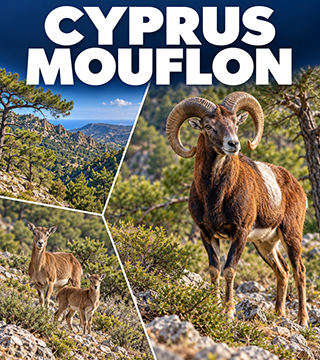 Cyprus Mouflon – Meet the Island’s Remarkable Wild Sheep
The Cyprus mouflon is one of the island’s most distinctive wild animals. With its curved horns and agile movement, this wild sheep represents a fascinating side of Cyprus beyond the coast. Its story connects forest landscapes, ancient history and wildlife conservation.
For nature lovers, learning about this animal adds another dimension to exploring the island. However, seeing one in the wild is a special possibility, rather than a guaranteed part of a tour.
What Makes This Animal Special?
The Cyprus mouflon is an endemic form of wild sheep. This means that this particular form occurs naturally only in Cyprus. Other mouflons live elsewhere, but the island’s animal has its own identity.
The Department of Forests uses the scientific name Ovis gmelini ophion. It also identifies the animal as Cyprus’ largest wild land mammal.
Males are especially recognisable through their heavy, curved horns. In addition, their coat changes with the seasons. A denser winter coat gives way to a lighter summer coat.
Where Does the Cyprus Mouflon Live?
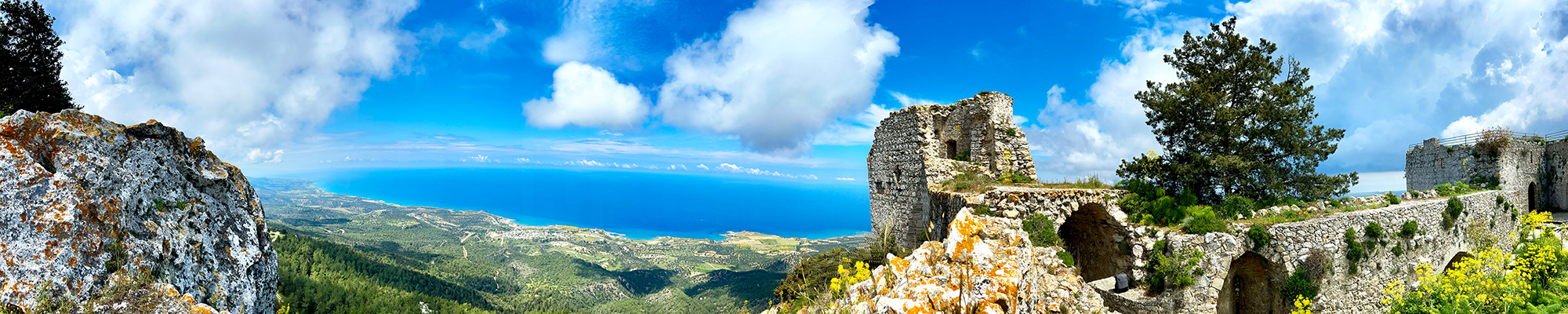
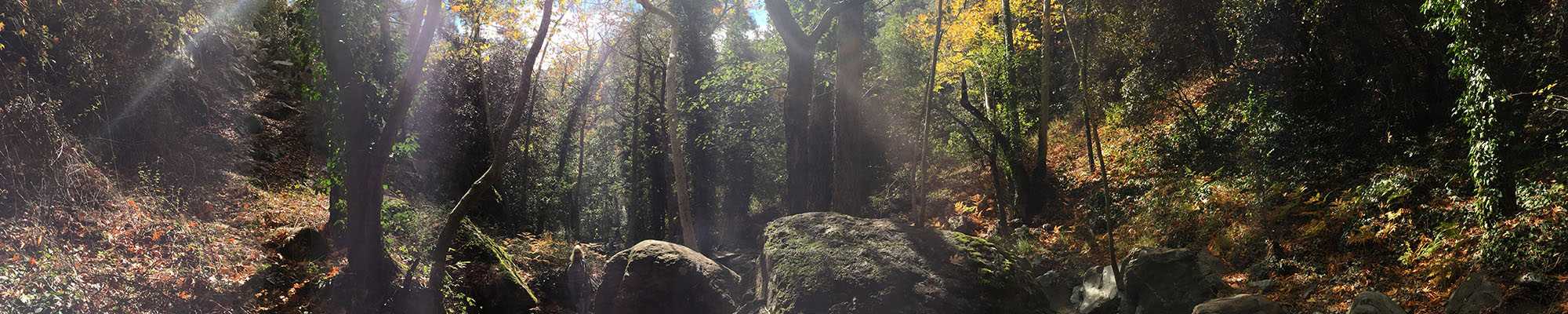
Paphos Forest (part of Troodos Mountains) is the main habitat of the wild population. Its rugged slopes provide a setting where these shy animals can move quickly and avoid disturbance.
However, their range does not end at a forest boundary. The Department of Forests describes occasional visits to the western and northern parts of Troodos National Forest Park. These areas lie close to their main habitat.
Therefore, it is more accurate to describe Paphos Forest as their core home than their only possible location.
A Wildlife Story Stretching Back Thousands of Years
The ancestors of today’s mouflons are thought to have reached Cyprus with early settlers thousands of years ago. Over time, the animals became closely associated with the island’s forests.
Historically, they occurred across both the Troodos and Pentadaktylos mountain ranges. However, intensive hunting caused a dramatic decline during the 1930s. Only a small population remained in Paphos Forest.
Protection of the forest from hunting became an important response. Their history highlights why wildlife conservation matters when we explore Cyprus today.
Why Is the Mouflon a Symbol of Cyprus?
The animal is a recognised symbol of the island’s wildlife and natural heritage. For example, it appears on Cyprus’ 1-, 2- and 5-cent euro coins.
These everyday objects connect the mouflon with the identity of the island. Its symbolic importance is easy to understand: it is distinctive, closely linked to Cyprus and part of a remarkable conservation story.
You can see the national coin designs on the European Central Bank’s Cyprus coin page.
Explore Forest Landscapes with Sancytours
Would you like to discover the landscapes behind this story? Explore our private nature and mountain tours, or contact Sancytours to discuss a suitable forest route.
Every Sancytours tour is private and exclusive to your booking. Therefore, we can discuss your interests and the possibilities within the chosen itinerary.
Wild sightings cannot be guaranteed. Access to viewing facilities also depends on current restrictions. Meanwhile, forest scenery and time to appreciate nature make the journey worthwhile in their own right.
If you encounter wildlife, keep your distance, stay quiet and avoid feeding or following the animals. Enjoy the moment while giving them space.
FAQ – Frequently Asked Questions
Are mouflons found only in Cyprus?
- The Cyprus mouflon is endemic to the island. However, other forms of mouflon occur elsewhere.
Do they live only in Paphos Forest?
- Paphos Forest is their main habitat. Occasional visits to nearby parts of Troodos National Forest Park are also documented.
Can I see a mouflon on a private tour?
- A wild encounter is possible on a suitable route, but sightings are never guaranteed. Ask us about the route and current access conditions.
Is it a national symbol?
- It is a recognised symbol of Cyprus’ wildlife. Its appearance on the island’s small euro coins illustrates this connection.
Author: Jürgen Derichs am 2. Oct 2026 17:21, category: Infothek – Nature of Cyprus, Nature of Cyprus, News from our tours and events, comments per feed RSS 2.0, comments closed.