


Lefke Mining History – Yellow Mining Trains & Forgotten Industry
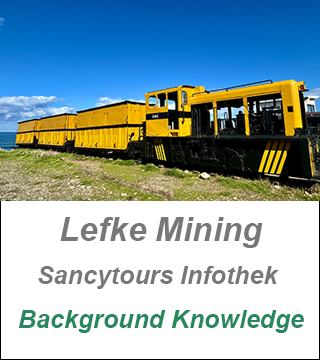 The Lefke Mining History tells a fascinating story of copper, railways and maritime trade in Cyprus.
Today, the coast near Lefke is quiet. However, many traces of its industrial past still remain. Yellow mining trains stand near the Mediterranean. Old loading facilities line the coast. In addition, a forgotten tugboat rests beside the sea.
Together, these remains reveal a very different side of Cyprus.
Lefke Mining History and the Cyprus Mines Corporation
Mining played an important role in the region around Lefke. Above all, the 20th century brought major industrial development.
The Cyprus Mines Corporation (CMC) developed large mining operations in this part of Cyprus. One important mining area was Mavrovouni, close to Lefke.
As a result, the region changed dramatically. Mines, railway lines, processing facilities and coastal installations became part of a large industrial network.
Today, many remains of this era can still be discovered.
What Was Mined around Lefke?
The mines around Lefke produced mainly copper-bearing ore and pyrite.
Copper was one of the most valuable resources. In addition, pyrite was important because of its high sulphur content.
However, mining the material was only the first step. The ore also needed transport and processing.
Therefore, CMC created an industrial network between the mines and the Mediterranean coast.
The Yellow Mining Trains of Lefke
Perhaps the most striking remains are the yellow mining locomotives and their ore wagons.
CMC operated its own industrial railway system. Therefore, these trains had a very different purpose from a normal passenger railway.
They transported heavy mining materials between the mines, processing areas and coastal facilities.
Today, the locomotives and wagons stand silent. Nevertheless, their bright yellow color still makes them impossible to miss.
For visitors, they offer a fascinating glimpse into the industrial past of Cyprus.
From the Copper Mines to the Mediterranean
After leaving the mining areas, the material travelled towards the coast.
The railway connected the mines with facilities around Xeros and Gemikonağı, also known as Karavostasi. Here, CMC developed an important centre for processing and export.
As a result, this part of the Mediterranean coast became closely connected with Cyprus’ mining industry.
Workers processed and prepared the mining products here. Afterwards, ships carried them to international markets.
Among the exported materials were copper concentrates and pyrite products.
The journey can therefore be explained quite simply:
- Mine → Railway → Processing → Loading → Ship
Even today, the remaining structures make this industrial process easy to imagine.
The Old Loading Facilities
Next, the story leads directly to the Mediterranean.
The old loading facilities near Lefke formed an important part of the mining operation. Here, mining products reached the final stage of their journey across Cyprus.
The facilities connected industrial transport on land with maritime transport at sea.
Today, the scene looks completely different. Weathered structures stand beside the blue Mediterranean. Meanwhile, nature slowly reclaims parts of the former industrial landscape.
This contrast makes the site especially impressive.
The Forgotten Tugboat
Another remarkable reminder waits close to the former loading facilities: an old tugboat.
The vessel belonged to the maritime side of the mining operation. At that time, tugboats supported activities around industrial ports and loading areas.
Today, the old vessel rests beside the Mediterranean.
Over the years, sun, salt and weather have changed its appearance. As a result, the tugboat has become one of the area’s most unusual sights.
However, it is more than an atmospheric shipwreck.
Together with the railway and loading facilities, it completes the story of the former mining industry.
When the Yellow Trains Fell Silent
The events of 1974 changed the region dramatically.
As a result, the CMC railway operations in this area came to an end. The once busy industrial network eventually fell silent.
Afterwards, locomotives, wagons and industrial structures remained behind. The coastal facilities also lost their original purpose.
Since then, time and nature have transformed the landscape.
Nevertheless, many traces of the former mining industry are still visible today.
Lefke Mining History Today
Today, Lefke Mining History can still be discovered through these remarkable remains.
The yellow locomotives and ore wagons represent industrial transport. Meanwhile, the old loading facilities tell the story of international trade.
Finally, the tugboat connects the mines and railway with the Mediterranean.
Together, these places form an extraordinary part of Cyprus’ industrial heritage.
They are not simply abandoned trains, ruins and a shipwreck. Instead, they tell the story of a complete industrial journey.
It began in the copper mines of Cyprus and ended at the Mediterranean Sea.
 Want to see more? Discover our Media Gallery with photos, Reels and videos from our tours and fascinating places across Cyprus.
Want to experience it yourself? Discover Lefke’s yellow mining trains, forgotten industrial sites and coastal scenery on our private Cyprus Nature Tour.
Frequently Asked Questions about Lefke Mining History – FAQ
Why are there yellow mining trains near Lefke?
The yellow locomotives and ore wagons are remains of the former mining industry around Lefke. The Cyprus Mines Corporation (CMC) operated its own industrial railway network. It transported mining materials between the mines, processing areas and facilities near the Mediterranean coast.
What was mined in the Lefke region?
The mining areas around Lefke were mainly known for copper-bearing ore and pyrite. Copper was an important resource, while pyrite was valuable because of its high sulphur content. These minerals played a major role in the industrial development of the region.
What were the old loading facilities near Lefke used for?
The coastal facilities were an important part of the mining and export network. Mining products were transported towards the coast, processed and prepared for shipment. From here, products such as copper concentrates and pyrite products could continue their journey by sea.
What is the old tugboat near Lefke?
The old tugboat is another reminder of the former mining operations along the coast. Tugboats supported maritime activities around industrial ports and loading areas. Today, the weathered vessel rests beside the Mediterranean and has become one of the area’s most unusual industrial relics.
Can you visit the mining heritage sites near Lefke?
Several remains of Lefke Mining History can still be seen in the region, including yellow mining trains, ore wagons and former industrial structures. However, conditions and access can change. Visitors should always respect local restrictions, barriers and private property. To do with Sancytours.com . Book in here: Cyprus Nature and Sightseeing Tour – Hidden Landscapes
Author: Jürgen Derichs am 2. Sep 2026 10:22, category: Infothek – Nature of Cyprus, comments per feed RSS 2.0, comments closed.